7 Mediterranean Diet Recipes for Beginners That Are Actually Easy to Make
You want to eat healthier. You have heard the Mediterranean diet is one of the best. But every recipe you find looks complicated — too many ingredients, too many steps, too much time. So you close the tab and order the same thing you always do.
Sound familiar? You are not the only one.
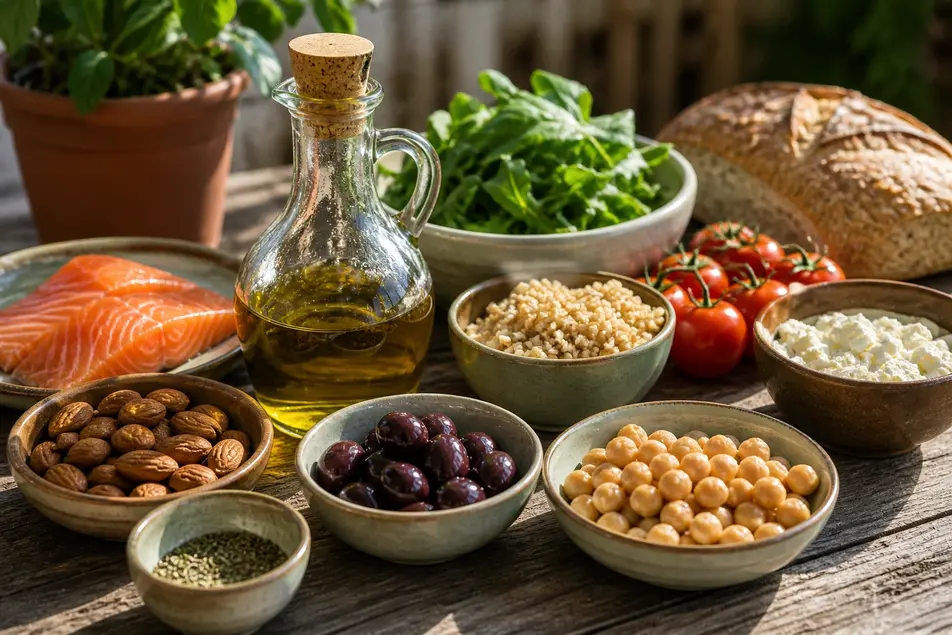
The truth is, Mediterranean food is actually some of the simplest cooking in the world. Olive oil, vegetables, beans, fish, whole grains — these are not fancy ingredients. They are everyday foods that people around the Mediterranean have been eating for centuries. No special equipment. No complicated techniques.
These Mediterranean diet recipes for beginners are quick, realistic, and easy enough to make on a normal busy day. If you can boil water and chop a vegetable, you can make every single one of these.
By the end of this guide, you will have 7 simple recipes you can try this week — plus a clear idea of what to eat, what to avoid, and how to make this diet actually stick.
You can also read our simple daily habits for weight loss to support your results further.
What Is the Mediterranean Diet and Why Does It Work?
Before we get to the recipes, here is what you need to know — quickly and simply.
The Mediterranean diet is based on how people in countries like Greece, Italy, and Spain have traditionally eaten. It focuses on:
| Mediterranean Diet | Time To Eat |
|---|---|
| Vegetables and fruits | Eaten at every meal |
| Whole grains | Like brown rice, oats, and whole wheat bread |
| Olive oil | Used instead of butter or vegetable oil |
| Legumes | Beans, lentils, and chickpeas |
| Fish and seafood | At least twice a week |
| Nuts and seeds | As snacks or added to meals |
| Moderate dairy | Mostly yogurt and cheese |
| Less red meat | Only occasionally |
What makes it different from most diets is what it does NOT do. It does not eliminate entire food groups. It does not ask you to count every calorie. It does not feel like punishment.
Research suggests that the Mediterranean diet may help reduce chronic inflammation — one of the main hidden causes of weight gain, fatigue, and many long-term health issues. When inflammation goes down, your body starts working better. Weight becomes easier to manage. Energy improves. And food starts feeling like something that helps you, not something you have to fight against.
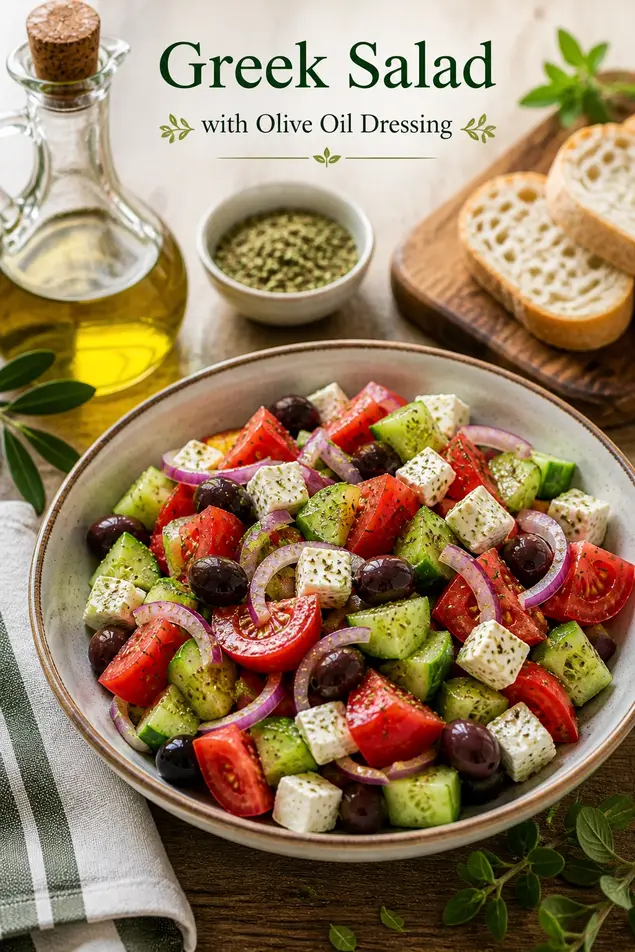
1. Greek Salad with Olive Oil Dressing
Ready in 10 minutes — No cooking required
This is the recipe that most beginners start with — and it is a good one. It takes about ten minutes, uses ingredients you can find in any supermarket, and tastes fresh and satisfying. It works as a side dish or a light lunch on its own.
How To Do
Benefits🌿
PRO TIPS 💡
Precaution ⚠️
If you are watching sodium, use less feta and fewer olives — both can be high in salt.
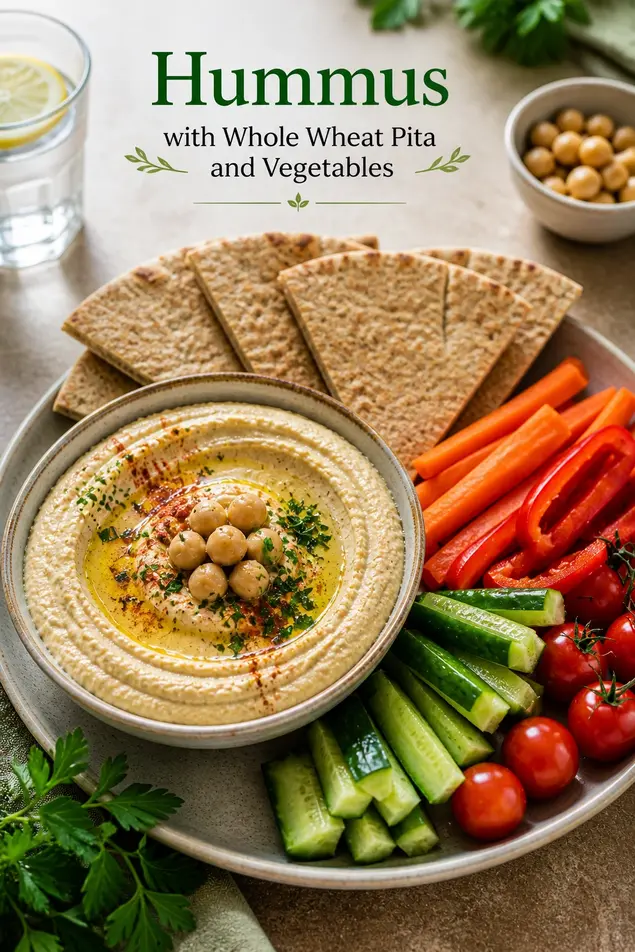
2. Hummus with Whole Wheat Pita and Vegetables
Ready in 5 minutes — Perfect beginner snack or starter
Hummus is one of the most Mediterranean foods you can eat — and most people already love it. Pair it with whole wheat pita and raw vegetables and you have a snack or light meal that is filling, nutritious, and takes almost no time to put together.
How To Do
Benefits🌿
PRO TIPS 💡
Precaution ⚠️
Hummus is healthy but calorie-dense — one or two tablespoons per serving is the right amount if you are watching portions.
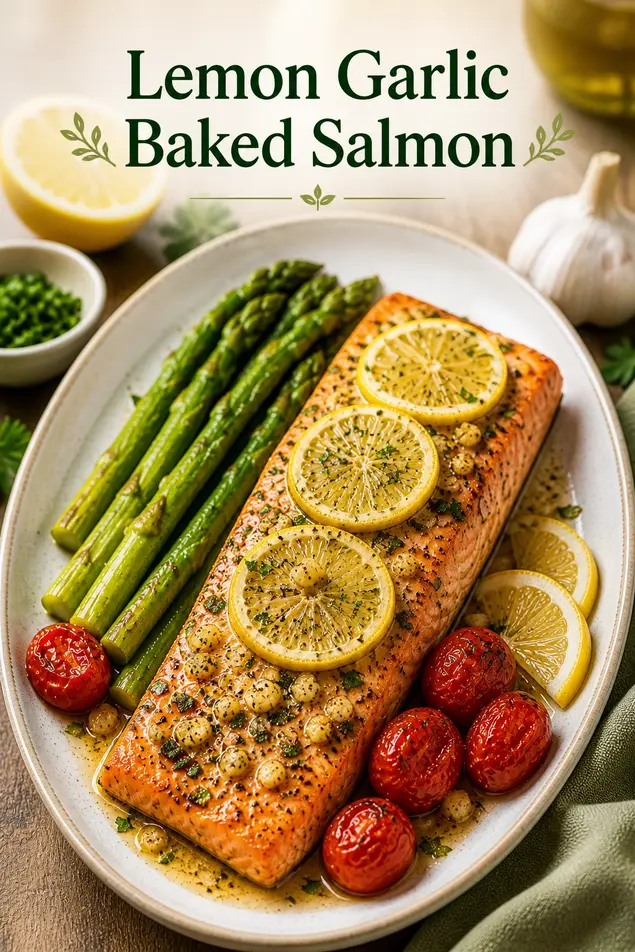
3. Lemon Garlic Baked Salmon
Ready in 25 minutes — High protein, heart healthy
Fish is a cornerstone of the Mediterranean diet — and salmon is one of the best options for beginners because it is hard to overcook and has a rich flavour that works with simple seasonings. This recipe takes under 30 minutes and requires almost no cooking skill.
How To Do
Benefits🌿
PRO TIPS 💡
Precaution ⚠️
If you are pregnant, choose wild salmon over farmed when possible and eat it in moderate amounts.
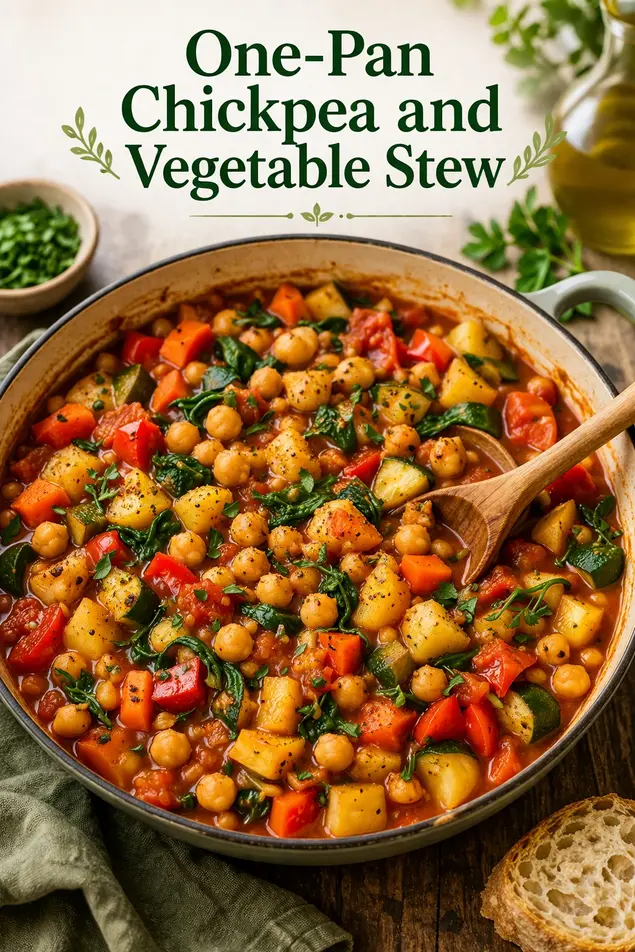
4. One-Pan Chickpea and Vegetable Stew
Ready in 30 minutes — Budget friendly, filling
This is the recipe for nights when you are tired, busy, and do not want to make a mess. Everything goes into one pan. It is filling, inexpensive, and genuinely tastes good. Chickpeas are a staple of Mediterranean cooking — high in protein, high in fibre, and incredibly versatile.
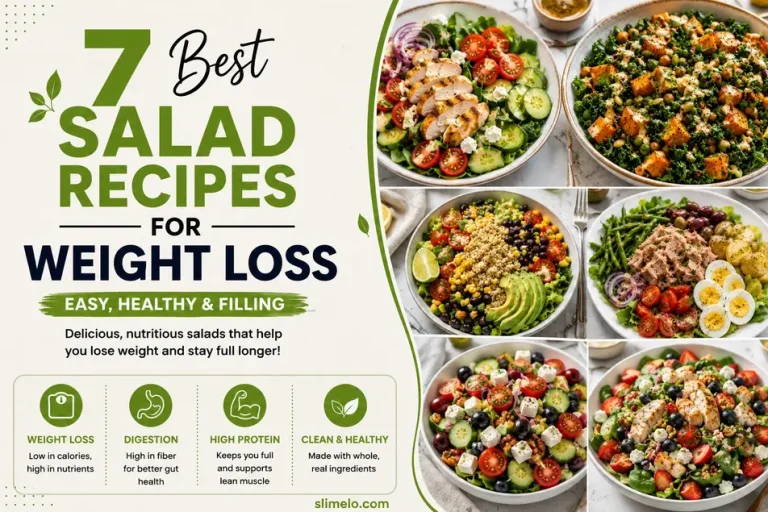
Try these best salad recipes for weight loss if you are finidng salalds which keeps you full.
How To Do
Benefits🌿
PRO TIPS 💡
Precaution ⚠️
If you use canned chickpeas, rinse them well to reduce the sodium content.
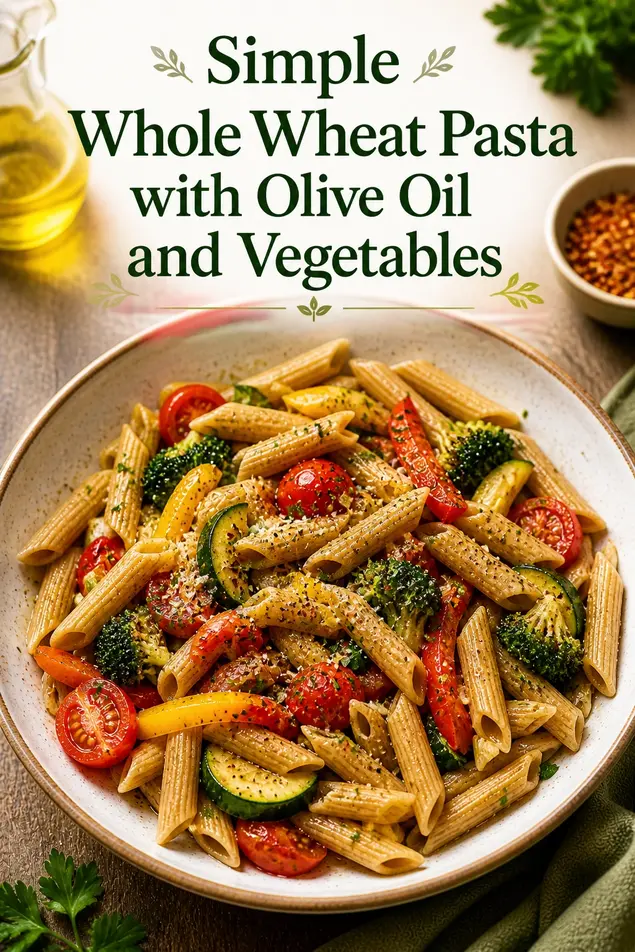
5. Simple Whole Wheat Pasta with Olive Oil and Vegetables
Ready in 20 minutes — Everyday dinner, very beginner friendly
Pasta gets a bad reputation in diet culture — but whole wheat pasta with olive oil and vegetables is a genuinely healthy meal. The key is the whole wheat, the olive oil, and keeping the portions sensible. This is what Mediterranean people actually eat — not heavy cream sauces, but simple, flavourful combinations.
How To Do
Benefits🌿
PRO TIPS 💡
Precaution ⚠️
Watch the portion size — 150g of dry pasta is enough for one person. It is easy to cook too much.
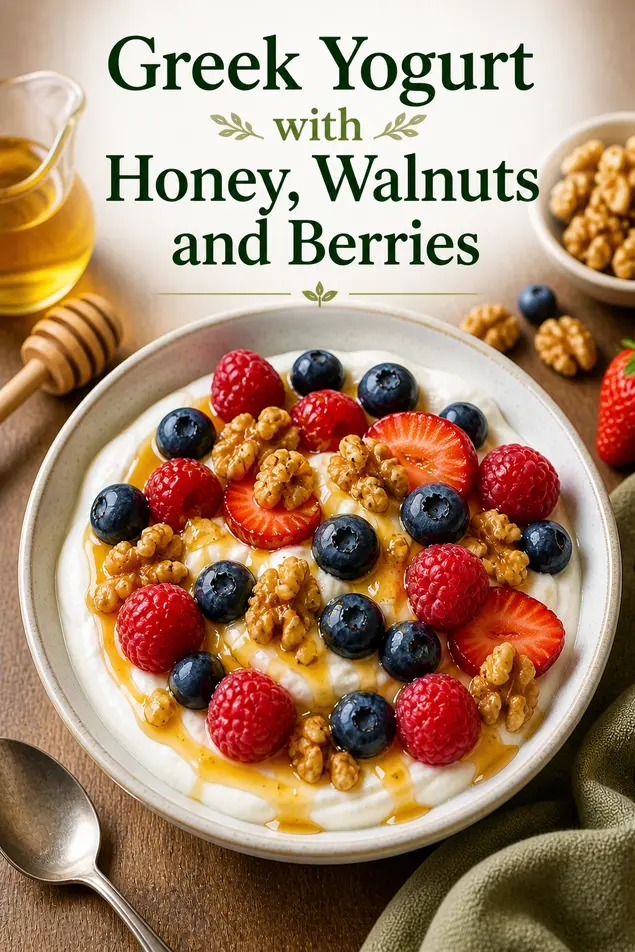
6. Greek Yogurt with Honey, Walnuts and Berries
Ready in 2 minutes — Best breakfast or snack
If you are skipping breakfast or reaching for something sugary first thing in the morning, this is the swap to make. Greek yogurt is high in protein, the walnuts add healthy fats, the berries add antioxidants, and the honey gives just enough sweetness to make it feel like a treat. Two minutes. That is all it takes.
How To Do
Benefits🌿
PRO TIPS 💡
Precaution ⚠️
Full-fat yogurt is fine in moderate amounts. If you are managing calories closely, opt for low-fat Greek yogurt — it still has the same protein benefit.
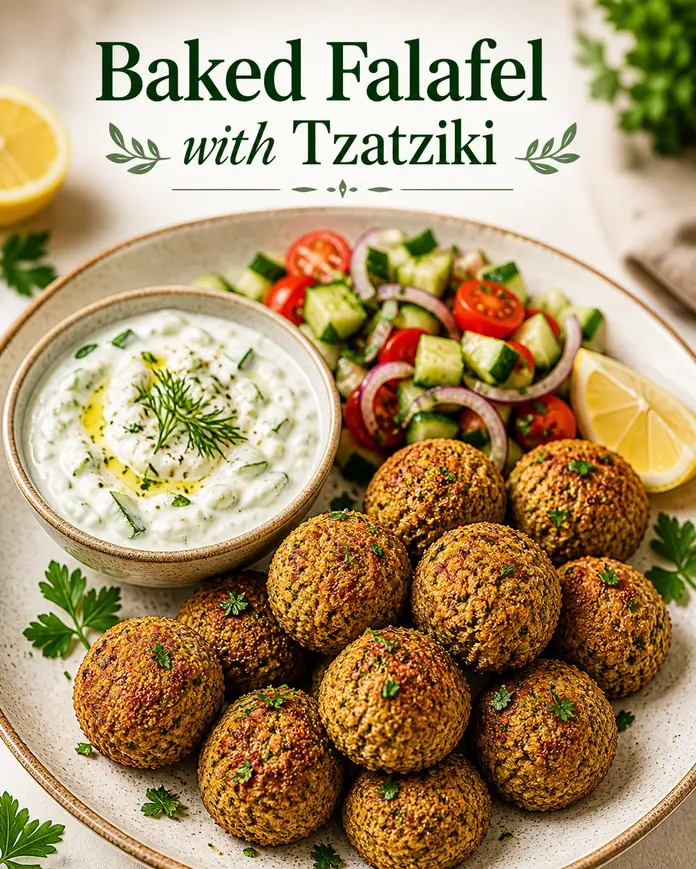
7. Baked Falafel with Tzatziki
Ready in 35 minutes — Great for meal prep
Falafel sounds complicated but it really is not — especially the baked version. You blend the ingredients, shape them, and bake. No deep frying needed. Serve with tzatziki (a simple yogurt and cucumber dip) and you have a meal that feels proper and tastes genuinely good.
How To Do
Benefits🌿
PRO TIPS 💡
Precaution ⚠️
If the mixture does not hold together well, refrigerate it for 30 minutes before shaping. This helps the texture.
How to Start Mediterranean Diet Recipes for Beginners Without Feeling Overwhelmed
Most people fail at new diets because they try to change everything at once. That never works.
Here is a simpler way to start
| Weak | Mediterranean Diet Meals |
|---|---|
| Week 1 | Replace one meal a day. Start with breakfast. Greek yogurt with berries and walnuts instead of whatever you usually eat. |
| Week 2 | Add one Mediterranean dinner per week. The chickpea stew or the baked salmon are the easiest starting points. |
| Week 3 | Start using olive oil instead of butter or vegetable oil in everything you already cook. This one change alone moves you significantly toward the Mediterranean way of eating. |
| Week 4 | Add more vegetables to every meal. You do not have to change the whole meal — just add a side salad, some roasted vegetables, or a handful of spinach wherever it fits. |
Author Words:
You do not need a fancy kitchen or a culinary degree to eat well. These mediterranean diet recipes for beginners prove that. Simple ingredients. Straightforward steps. Real results.
Research consistently shows the Mediterranean diet is one of the most studied and recommended eating patterns in the world. It is linked to better heart health, easier weight management, reduced inflammation, and improved mood over time. And unlike most diets, it actually tastes good enough to keep doing long term.
Start with one recipe this week. Just one. Make it. Eat it. See how it feels.
That is how a habit starts. And that is how things actually change.
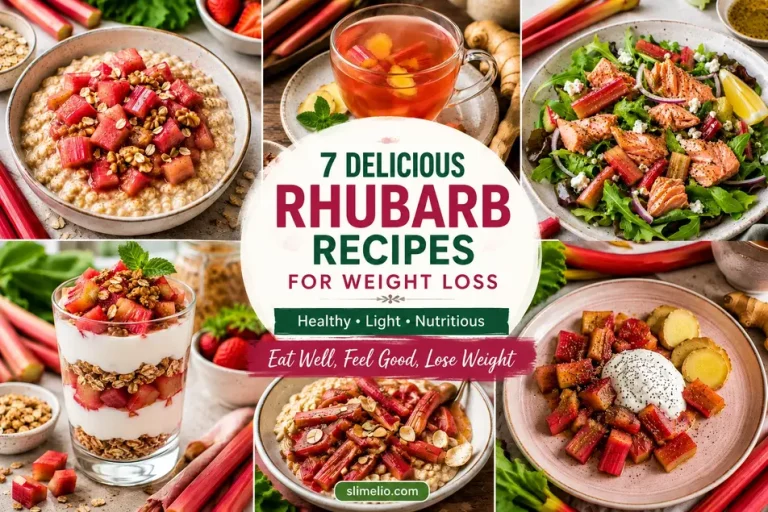
You can easily make these Shrimp and Orzo Recipes for Weight Loss For Beginners a home.
FAQ’S
What are the easiest mediterranean diet recipes for beginners to start with?
The easiest ones to start with are Greek salad, Greek yogurt with honey and walnuts, and hummus with vegetables. All three require almost no cooking, use simple ingredients, and are ready in under 10 minutes. If you want something more filling, the one-pan chickpea stew is the easiest cooked meal on the list — one pan, 30 minutes, no complicated steps.
Can mediterranean diet recipes for beginners help with weight loss?
They can, yes — but not because the diet is a strict weight loss plan. The Mediterranean diet naturally reduces processed food, added sugar, and unhealthy fats. It replaces them with high-fibre vegetables, legumes, and healthy fats that keep you full longer. Research suggests that people who follow a Mediterranean-style eating pattern tend to manage their weight more easily over time — without strict calorie counting or rigid meal plans.
What foods should beginners avoid on the Mediterranean diet?
The main things to reduce are processed foods (packaged snacks, fast food), refined carbohydrates (white bread, white rice, sugary cereals), added sugar (soft drinks, sweets, packaged desserts), and red meat eaten daily. You do not have to eliminate any of these completely — the Mediterranean diet is about eating them less often, not never. Start by reducing them one at a time rather than cutting everything at once.
Is the Mediterranean diet expensive for beginners?
It does not have to be. The most budget-friendly Mediterranean staples — canned chickpeas, lentils, beans, eggs, frozen fish, oats, whole wheat pasta, and seasonal vegetables — are all inexpensive. Olive oil costs more than vegetable oil upfront but lasts a long time. You do not need expensive cuts of meat or specialty ingredients to follow this diet well. Most of the recipes in this guide cost very little per serving.
How many times a week should beginners cook Mediterranean meals?
Start with two or three Mediterranean meals per week — not seven. Trying to overhaul your entire diet immediately is the most common reason people give up after two weeks. Two or three meals a week is enough to start feeling a difference in your digestion and energy. From there, add one more meal every two weeks until it becomes your default way of eating rather than something you are forcing yourself to do.
What is the best mediterranean diet recipe for beginners who do not eat fish?
The chickpea stew, hummus, falafel, and whole wheat pasta with vegetables are all fish-free and still fully Mediterranean. The Mediterranean diet does not require you to eat fish — it simply includes it as one of many protein options. Legumes like chickpeas and lentils are the most important protein source in Mediterranean cooking and are completely plant-based.
Can I follow mediterranean diet recipes for beginners if I am vegetarian or vegan?
Yes — the Mediterranean diet is naturally very plant-forward. Most traditional Mediterranean meals are built around vegetables, legumes, whole grains, olive oil, and nuts. If you are vegetarian, simply skip fish and reduce or replace dairy. If you are vegan, replace yogurt with plant-based alternatives and skip the feta and parmesan. The core of the diet — olive oil, vegetables, beans, and whole grains — is entirely plant-based.