Weight Loss Tips
Fat Loss for Beginners: 10 Simple & Effective Ways That Work
No gym, no strict diets just simple habits that fit real life and actually works
📅 April 24 2026
⏱ 8 minuts Read
👤 By Olivia Harper
In this guide you’ll Learn:
You try a diet for weight loss. It works for three days. Then a busy week hits, motivation disappears, and you are right back where you started — maybe feeling worse than before. If that sounds familiar, the problem was never you. The problem was a plan that was too hard to actually keep going.
The problem was plan that was too hard to actually keep going daily.
Fat loss does not need to be extreme to work. This guide covers 10 simple, realistic ways to loss fat that fit into a real life — no gym, no complicated meal plans, and no all-or-nothing thinking. Just small daily changes that quietly add up over time.
Try these Healthy Rhubarb Recipes for Weight Loss That Are Actually Delicious
1. Fix Your Breakfast First For Fat Loss
Most people do not realise how much their morning meal controls fat loss than the rest of their day. A sugary breakfast — biscuits, white bread, sweet tea — spikes your blood sugar fast and drops it just as fast. By mid-morning you are hungry again, reaching for snacks before lunch even begins.
How to start:
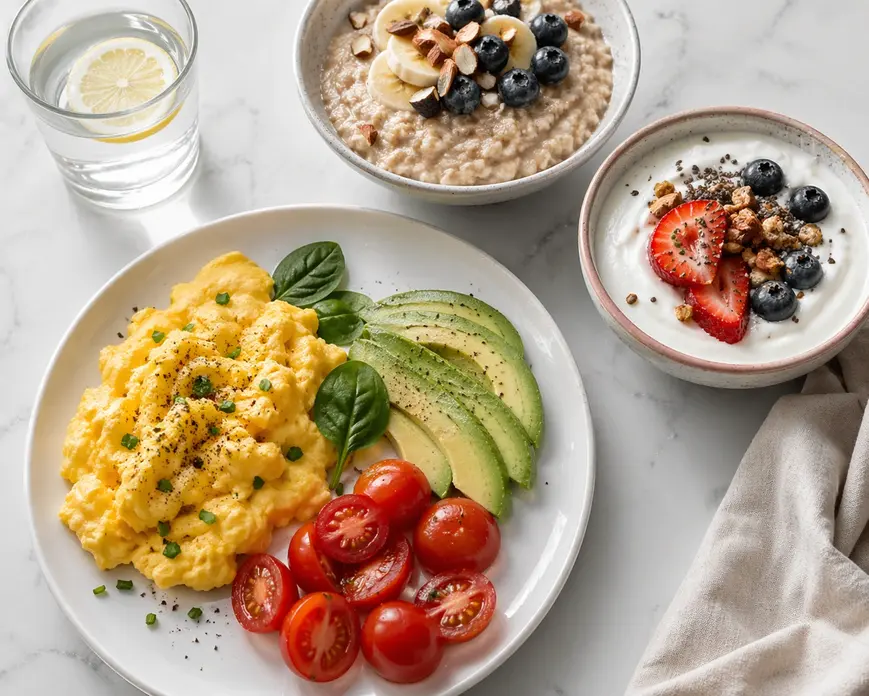
Replace one sugary breakfast item with something protein-based. An egg, a small bowl of oats, or plain yogurt all work well. Eat within one to two hours of waking up rather than skipping the meal entirely. Give it one full week before deciding whether it is making a difference.
Benefits✨
Common Mistake ⚠️
Common problem Many beginners skip breakfast thinking it will help them eat less. It usually does the opposite — stronger hunger by midday leads to bigger portions at lunch and more snacking through the evening.
2. Cut One Sugary Drink — Just One
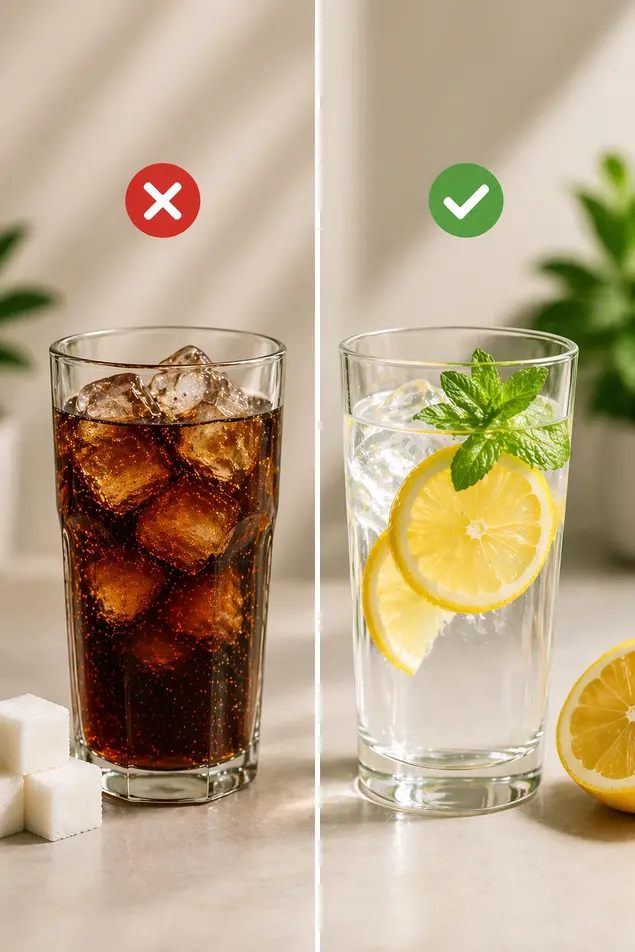
Sugary drinks are one of the sneakiest contributors to fat gain. A can of soda, a sweetened chai, a packaged juice — they all add real calories to your day without making you feel full. Your body simply does not register liquid calories the same way it does food, so you drink them and then eat just as much as you normally would on top.
How to start:
Pick the one sugary drink you have most regularly and replace it with water, lemon water, or plain green tea for one week. It will give appeaernt fat loss results. Just one drink. Not everything at once — that approach usually lasts about four days before the cravings take over.
Benefits✨
Common Mistake ⚠️
Sugar cravings feel strong in the first few days after cutting back. Most people assume this means the swap is not working and give up. It is completely normal — the cravings pass within five to seven days. Do not quit during that adjustment window.
A beginner-friendly diet plan can make fat loss easier to follow.
3. Eat a Little Less Without Feeling Deprived
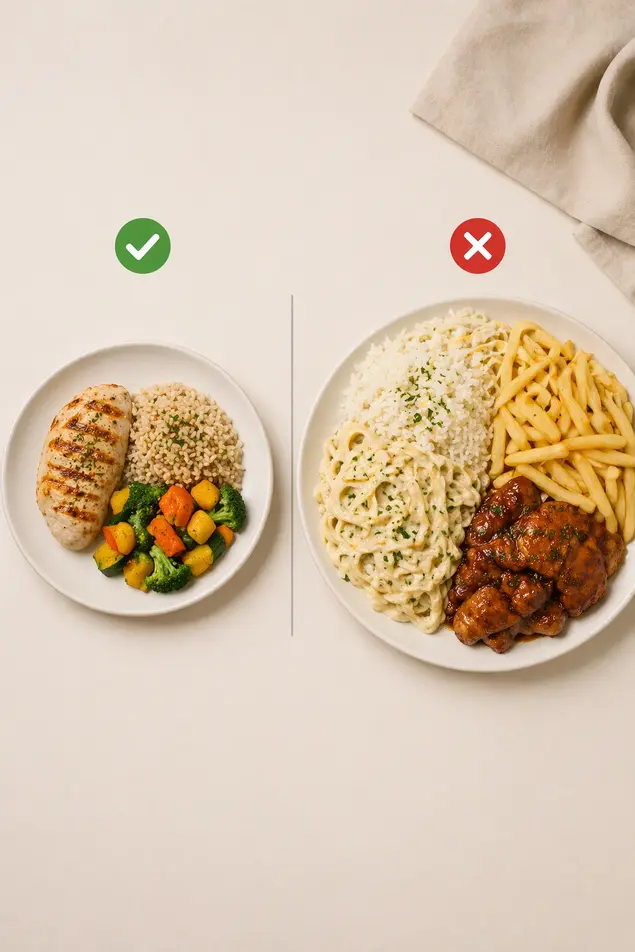
You may not need to change what you eat at all — just how much. Large portions are one of the most common reasons people consume more than their body needs, and it happens easily because most of us eat while distracted. By the time the fullness signal arrives, the plate is already empty.
How to start:
Use a slightly smaller plate than usual. Put your phone down while eating. Eat slowly and stop when you feel comfortable, not stuffed. If you want a second serving, wait 10 minutes first — the urge often passes on its own.
Benefits✨
Common Mistake ⚠️
Many people eat quickly out of habit, especially on busy days. They finish a meal feeling fine, then feel overly full 15 minutes later. Slowing down feels unnatural at first but becomes automatic within one to two weeks.
4. Move More During the Day — No Gym Required
Fat loss is not only about food. Your total daily movement — everything you do throughout the day, not just a scheduled workout — plays a much bigger role than most people expect. Walking after meals, taking stairs, standing more during work hours — none of these feel like exercise, but together they add up to a meaningful number of extra calories burned each week.
How to start:
Pick one movement habit that fits your current routine. If you sit at a desk all day, stand or walk for five minutes every hour. If you are a complete beginner, a 20 minute evening walk five days a week is a strong starting point. Only add more once the first habit feels natural and automatic.

Benefits✨
Common Mistake ⚠️
Most fat loss beginners focus entirely on food and ignore daily movement — or they go to the gym twice and stop when life gets busy. Building simple movement into your existing routine is far more sustainable than scheduling separate workouts.
5. Fix Your Sleep — Your Hunger Depends on It
This one surprises most people. When you do not sleep well, two important hunger hormones go out of balance. The hormone that triggers hunger increases, and the hormone that signals fullness decreases. The result is that you wake up genuinely hungrier the next day and feel less satisfied after eating. This is not a willpower problem. It is your body responding to poor rest.
How to start:
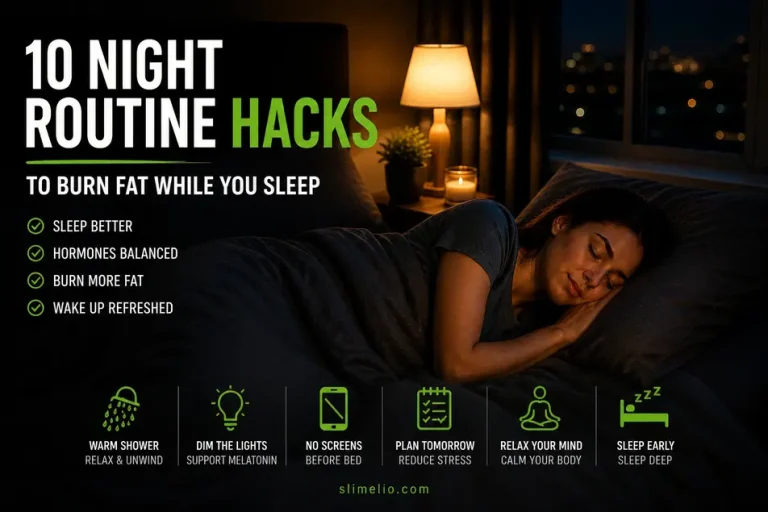
Begin with one change only — put your phone face-down 30 minutes before bed. That single adjustment is enough to improve sleep quality for most people within a few days. Aim for 6 to 8 hours, and try to sleep and wake at consistent times each day.

Benefits✨
Common Mistake ⚠️
Most people underestimate how much late-night screen use affects their sleep. Caffeine is another hidden factor — a coffee at 4pm can still be disrupting your sleep at 10pm. Cutting caffeine after 2pm makes a noticeable difference for many people.
6. Add Protein to Your Meals
If you feel hungry again within an hour or two of eating, your meals are most likely low in protein. Protein digests more slowly than carbohydrates, which means it keeps you feeling full for longer, reduces unnecessary snacking, and prevents the afternoon energy crashes that lead to cravings.
How to start:
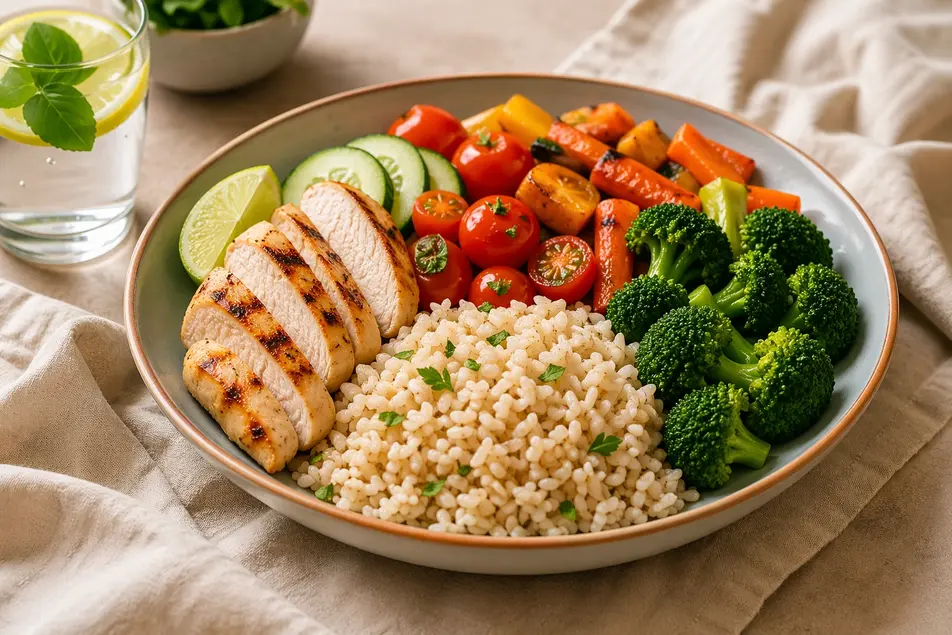
You do not need protein shakes or supplements. Add one simple protein source to your meals — eggs at breakfast, dal or lentils at lunch, plain yogurt as a snack, or chicken and fish at dinner if you eat meat. Start with just one addition per day and build naturally from there.

Benefits✨
Common Mistake ⚠️
Many beginners eat meals that are almost entirely carbohydrates — rice, roti, bread — with very little protein. This leads to fast digestion, quick return of hunger, and more overall eating throughout the day. Adding even one protein source per meal makes a real difference.
7. Reduce Processed Foods — One Swap at a Time
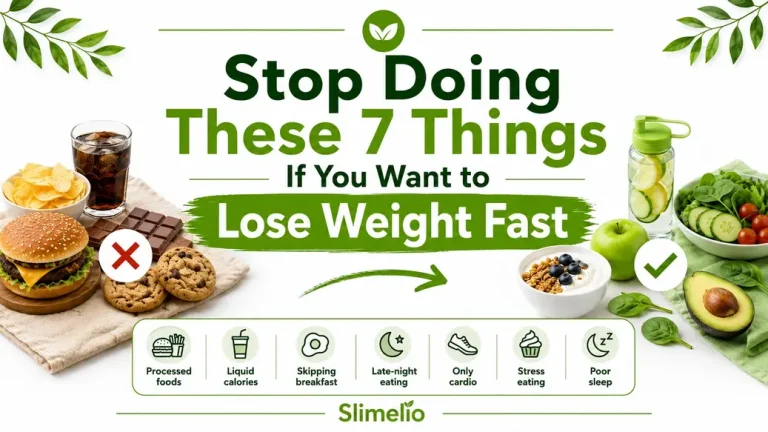
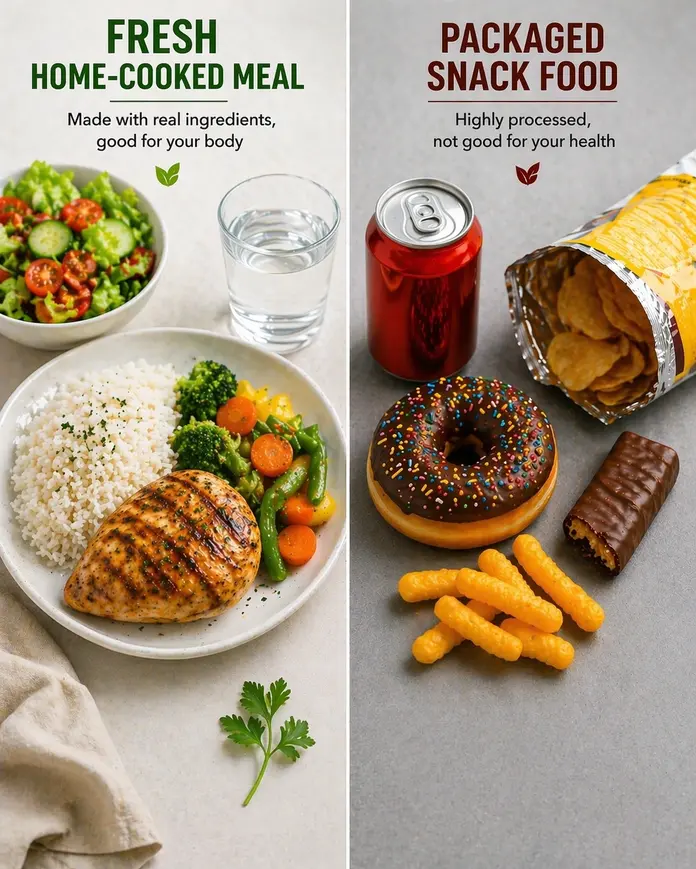
Processed foods are not the enemy. But they are specifically designed to make you eat more than your body needs. They combine salt, sugar, and fat in ratios that are hard to stop eating — and they are low in the fiber and protein that would normally signal fullness. The result is that you can eat a large amount and still feel unsatisfied shortly after.
How to start:
Do not try to cut everything at once. Replace one processed item each day with something simpler — a piece of fruit instead of a packaged biscuit, home-cooked dal instead of instant noodles, plain yogurt instead of a flavoured packaged version. One swap per day. Over a month, that is 30 better choices made without ever feeling like you are on a strict diet.
Benefits✨
Common Mistake ⚠️
The main reason processed foods are hard to reduce. When you are busy or tired, a packaged snack is always easier. Preparing one or two simple whole food options in advance — boiled eggs, a bowl of fruit, some yogurt — removes that barrier completely.
8. Drink More Water — Simpler Than You Think
Many people confuse thirst with hunger. When your body is mildly dehydrated, it sometimes sends a signal that feels exactly like a food craving. Most people respond by eating — when all they needed was a glass of water. Drinking water before reaching for a snack, then waiting 10 minutes, makes the craving disappear more often than you would expect.
How to start:
Keep a water bottle somewhere visible — on your desk, your kitchen counter, or beside your bed. Visibility alone significantly increases how much water you drink. Add one extra glass before each meal to start. That is three additional glasses per day without any extra planning.

Benefits✨
Common Mistake ⚠️
Most people only drink water when they feel thirsty — but thirst is actually a late signal of dehydration. Drinking consistently throughout the day, rather than in large amounts occasionally, is far more effective for both hydration and hunger control.
9. Manage Stress Before It Manages Your Eating
Most people already know when they are stress eating. You are not genuinely hungry — you are bored, anxious, or overwhelmed, and food is the quickest relief available. The problem is that stress eating rarely solves the underlying feeling. It provides a few minutes of comfort and then leaves you feeling exactly the same — plus the extra calories.
How to start:
Before eating outside of a regular meal, pause for 30 seconds and ask honestly — am I actually hungry, or am I feeling something else? If it is stress, try a 10 minute walk, a glass of water and 15 minutes of waiting, or simply stepping outside. You will not catch every moment at first — the goal is to catch it more often over time, not perfectly from day one.

Benefits✨
Common Mistake ⚠️
Many people try to eliminate stress eating completely from day one, feel like they have failed when it happens anyway, and give up entirely. Reducing it gradually — catching it a few times a week instead of never — is far more realistic and effective as a long-term habit.
10. Stay Consistent — This Is What Actually Decides Everything
Every tip in this guide works. Not for some people in ideal conditions — for most people, when applied consistently over time. The biggest reason people do not see fat loss results has almost nothing to do with the method they chose. It has everything to do with stopping too soon.
How to start:
Pick the one tip from this list that feels most manageable right now and do it for one week. Then add one more. That is the entire strategy. Miss a day? Continue the next. Had a bad weekend? Resume normal habits on Monday. No restarting, no guilt — just keep going at a pace you can actually maintain.

Benefits✨
Common Mistake ⚠️
The most common mistake in fat loss is quitting during the first two to four weeks — exactly when nothing visible seems to be happening. That period is actually when your body is making real internal adjustments. Most people stop just before results begin to show.
Which approach is right for you?
| Your biggest challenge right now | Best place to start |
| Feel hungry all the time | Add protein to breakfast |
| Drink sugary drinks every day | Replace one drink with water |
| Eating large portions without noticing | Slow down — no screens while eating |
| Sitting most of the day | 20 minute walk after one meal |
| Poor sleep quality | Phone away 30 minutes before bed |
| Stress eating regularly | Pause 30 seconds before eating |
| Too much processed food | Replace one item a day with whole food |
| Forgetting to drink water | Keep a bottle visible at your desk |
| Feeling overwhelmed | Pick just one from this list and start today |
Author Words:
When I first started learning about fat loss, I kept waiting for the perfect plan before I could begin. I researched, planned, and somehow never actually started. What eventually worked was picking the smallest, easiest habit I could manage — and doing just that one thing for a week. Then adding one more. That is genuinely how lasting change happens. If you are reading this and feeling overwhelmed, do not try to do everything at once. Pick the one tip that feels most manageable right now and start there. Progress always follows when you give it enough time.
Sweet lover but trying weight loss? Must check our banana recipes for weight loss.
FAQ’S
How much weight can I realistically loss in a month as a beginner
Most beginners can expect to loss around 0.5 to 2 pounds per week with consistent habits like eating more protein, reducing sugary drinks, and moving more daily. That is roughly 2 to 8 pounds in the first month.
Can I loss fat without going to the gym or doing any formal exercise
Yes. Walking, taking stairs, standing more, and increasing daily movement can meaningfully support fat loss even without gym workouts.
Why am I always hungry even after eating a full meal?
This often happens because meals are low in protein. Protein helps keep you full longer, while carbohydrate-heavy meals digest quickly and increase hunger sooner.
Does it matter what time I eat, or is only the total amount that counts?
Total intake matters more than meal timing for most beginners. However, eating at regular times may help control hunger and reduce late-night snacking.
What is the single easiest change to make for fat loss?
Replacing one sugary drink daily with water, lemon water, or green tea is one of the easiest and most sustainable fat-loss habits.
I keep falling off track after a few days. Why does this keep happening?
Usually because too many changes were started at once. Beginning with one simple habit and building slowly is easier to maintain long term.
Do I have to count calories for fat loss?
No. Beginners can make progress by adding protein, cutting sugary drinks, eating slowly, and moving more without counting calories.
Is it normal to feel worse or more tired in the first week of trying to loss fat?
Yes. Reducing sugar and changing habits can temporarily cause cravings, tiredness, or irritability during the first week as the body adjusts.
What is causing my belly fat specifically, and do I need a different approach to loss it?
Belly fat cannot be targeted directly. Overall fat loss habits like better eating, improved sleep, and more movement help reduce belly fat over time
How do I know if the habits are working if I don’t see any change on the scale yet?
Early signs include better energy, fewer cravings, less bloating, and improved sleep. Visible body changes usually appear later after consistent habits.