

The wrong version of this costs about $400 a month and does less than a $16 bottle of sunscreen. That is the trap – a shelf of serums, a gym membership you drive past, a January cleanse, none of it repeated often enough to matter.
You know the person this is about. A sister, a coworker, a college friend whose birthday is already on your calendar, and whose face in every photo since 2015 looks exactly the same. You have quietly filed that under genes and gone back to your own morning.
Genes are real. So are income, illness and plain luck, and none of those are on this list. But so is a $12 bottle of sunscreen sitting next to the toothbrush, one wake time that survives Saturday, and a pair of dumbbells picked up twice a week.
Fourteen habits, each running 5 to 40 minutes inside a routine you already have, each costing a few dollars or nothing. None of them promise a younger face. What they protect is everything your body already does without asking for your attention.
By the end you should be able to name the two you are starting this week, what each costs in minutes and dollars, and which official source – AAD, HHS, AASM or NIAAA – to check for the current number. Pick up two. That beats intending to do fourteen.
Quick Tips Before You Start
Count minutes, not weeks
Most of these habits run 5 to 40 minutes inside a routine you already have, so stack them onto something that already happens every day.
Skip the subscription
Only one habit here requires a device, and it costs $30 to $50. Everything else is drugstore or grocery-store money.
Pick two, not fourteen
Choose the sun habit plus one more that fits a part of your day you will not have to rearrange.
Verify the numbers
Where a figure would otherwise be guessed, look it up at the source named in the section, since recommendations change.
1. Sunscreen Every Morning, Rain or Shine
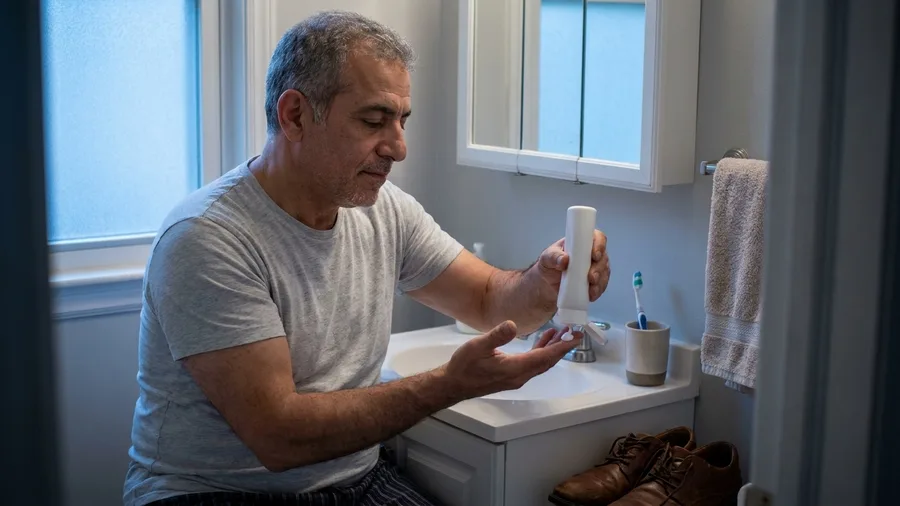
The bottle goes next to the toothbrush, and it gets used before the shoes go on.
Sunscreen is the morning habit these people never seem to skip, and the trick is that it lives inside a sequence that already runs seven days a week: brush, apply, shoes, out the door. Face first, then the ears, the back of the neck, the backs of the hands — the places people forget are the places the sun finds on the drive to work.
Grey sky, January cold, overcast lunch hour: none of it changes the step.
Look for SPF 30 or higher and the words broad spectrum on the label, then reapply through a day spent outdoors. The current recommendation is worth confirming at the AAD rather than trusting a number from memory, because the guidance gets updated and the label is only half the story.
A drugstore bottle runs about $12 to $18 and needs replacing every couple of months. That is the whole budget — no serum, no treatment layered beneath it, nothing else sold alongside.
What it does not do is just as worth knowing. It reverses neither smoking nor a tanning-bed habit, and nothing here promises a wrinkle-free face. The payoff is quieter than that: sun damage that does not pile up, year after year, the way it would without the four minutes.
Four minutes, roughly $8 a month, and a step that needs no decision because it sits where the toothbrush already is.
💡 Tip: Put the bottle on top of your toothbrush cup. If it is not in the path of a habit you already have, it will not happen.
| Habit | Time a day | Typical cost | Where to confirm the specifics |
|---|---|---|---|
| Sunscreen every morning | 4 minutes | $12–$18 a bottle, about $8 a month | American Academy of Dermatology |
| Fixed wake time, weekends too | 0 extra minutes | $0 | American Academy of Sleep Medicine |
| Strength work 2–3 mornings | 20–30 minutes | $0 at home, or $30–$60 a month for a class | HHS physical activity guidelines |
| Walking wired into errands | 10–20 minutes | $0 | HHS physical activity guidelines |
| Protein at breakfast | 4 minutes | $1–$3 a serving | Your clinician, for personal targets |
| Three-step skin routine | 5 minutes at night | $10–$25 a product, $30–$50 to set up | A dermatologist, for any persistent skin change |
| Alcohol as an occasion | 0 minutes | Several hundred dollars a month back | NIAAA |
| Never smoking or quitting | 0 minutes to keep | $0 | 1-800-QUIT-NOW and a clinician |
| Half the plate plants | 5 extra minutes of chopping | Cents per serving | Your clinician, for dietary restrictions |
| Standing plans with people | About an hour, already on the calendar | $0 to the price of a coffee | Nobody — this one is yours |
| Flossing and two cleanings | 2 minutes a night | $75–$200 per cleaning without insurance | Call and ask for a cash price |
| Knowing your blood pressure | One appointment a year | $30–$50 for a home cuff | Your clinician sets your targets |
| A wind-down that isn't a screen | 30 minutes | $10 once for an alarm clock | American Academy of Sleep Medicine |
| Weight kept steady | 0 extra minutes | $0 | A clinician, if weight changes without trying |
2. A Bedtime They Keep on Weekends Too

Sun protection is the habit you wear on the outside, and the fixed hour is the one you keep on the inside. It costs nothing.
The people who look settled in their skin almost always defend one detail: they get up at the same time every morning, including Saturday, including the Sunday after a late night. The bedtime gets counted backwards from that wake time, so the night is decided in advance rather than argued about at 11:40 with a phone in hand.
How many hours that should total is worth confirming at the AASM rather than taking from a magazine, since the recommended window shifts slightly with age.
The number itself is less interesting than the anchor. An alarm set for 6:40 on Wednesday and left alone on Sunday keeps the whole system from drifting two hours and then punishing you on Monday.
What makes a fixed hour survivable is the hour before it. Thirty to 45 minutes of low light and low stakes, a dark room and a cool one, and the wake time stops feeling like a punishment.
Some readers cannot run this on schedule, and pretending otherwise is dishonest. Shift workers and parents of young children live on hours someone else sets. The fallback is not abandoning the idea but protecting whatever block can stay regular, even if it is an odd one.
Zero dollars, one alarm, and the minutes you stop spending every night renegotiating when to go to bed.
3. Strength Work Two or Three Mornings a Week

Sleep is when tissue gets repaired, and muscle and bone are the tissue with something to repair. Loading them is what tells the body the repair is worth doing.
The minimum that counts is modest. Two or three mornings of 20 to 30 minutes, using your own bodyweight, a set of bands, or a pair of dumbbells stashed behind a door. No rack, no cardio machine, no drive to a gym.
The movements are five, and they map onto real life. A squat or a slow sit-to-stand from a chair. A push, a row, a hinge. Then pick up something heavy and walk a lap of the room with it for a minute.
What that buys shows up in small ordinary moments. Carrying groceries in from the car in one trip. Taking stairs with a hand on the rail and not needing it. Standing up off the floor without rolling to a knee first.
The cost is where this habit differs from the rest. A class or a gym membership runs roughly $30 to $60 a month and counts, if that is what gets you to do it. But the living-room version with a chair and two dumbbells costs $0 and counts exactly the same.
That is the one place on this list where paying is genuinely optional, not a shortcut disguised as a choice.
Strength Work — At a Glance
⏱️ Session length
20–30 minutes
📅 Frequency
2–3 mornings a week
💪 Targets
Legs, back, grip, balance
💰 Cost
$0 at home, or $30–$60 a month for a class
⚠️ Skip if
Recent surgery or joint pain — clear it with a clinician first
Why it works
Muscle and bone respond to loading at any age; the difference after 50 is recovery time, so spacing the sessions matters more than the weight.
4. Walking Wired Into Errands and Phone Calls

Two or three mornings of strength work is a floor, not a day's movement. The rest of it never has to be scheduled, because it gets welded onto things already happening: the pharmacy run, the call with your mother, the parking lot at the grocery store.
Start with the parking spot. Pull into the far row on purpose and walk the extra two hundred feet in, then carry the bags back out instead of circling for the space by the door. That is the whole trick, and it costs nothing.
Then look at the meals you already sit down to. Ten minutes of walking after lunch or dinner is enough to matter, and it is the same ten minutes you were going to spend looking at your phone anyway.
The weekly call is the one people miss. An hour on the phone with a parent or a sibling, taken standing at the kitchen counter or pacing the block, turns into an hour of steps without a new appointment on the calendar and without a change of clothes.
For a target, check the HHS physical activity guidelines directly rather than trusting a number from a magazine. The current figure lives there and it is updated, so look it up once a year and move on.
walking does not hold muscle or bone the way a loaded squat does, so it props up a strength routine rather than replacing one. And it is not a weight-loss plan, either. Build it as the second half of a pair, not the whole thing.
What it runs: 10 to 20 minutes, already inside a call or an errand, $0, and no gear. The only purchase is the decision to park further away.
💡 PRO TIP
Attach the new habit to an old one
The sun and walking habits survive because they ride on something that already happens — brushing teeth, the after-dinner plate clearing, the weekly call. Pick the anchor first, then the habit. If you have to invent a new time slot, you are borrowing from willpower, and willpower runs out by Thursday.
5. Protein at Breakfast, Not Just Coffee

Breakfast is the easiest meal to change, because it happens on autopilot. You are not deciding to eat in the morning. You are deciding what sits on the plate next to the coffee.
The shape of it: a palm-sized portion of protein. Greek yogurt with a handful of berries, two eggs scrambled in four minutes, cottage cheese, leftover chicken from last night, beans, or a scoop of protein powder in whatever you already drink. Any one of those clears the bar.
Why it matters more after 40: your body handles protein less efficiently than it did at 25, and most people stack nearly all of theirs at dinner, when appetite is low and the will to cook is lower. Spreading it across the day, starting with the first meal, does more than adding another scoop at night.
Cost and clock: under five minutes, roughly $1-$3 a serving. The eggs and yogurt version typically costs less than the coffee it sits beside, so this is one of the rare changes that can come out even at the register.
Ignore the supplement aisle for now. Food does the job, and a tub of protein powder is a convenience, not an entry fee. If you buy one, buy it because yogurt at 7 a.m. has gotten old, not because the shelf said you needed it.
6. A Three-Step Routine They Actually Finish

What goes in at breakfast eventually shows on the surface, but the skin routine that gets finished is not the one with the most bottles on the counter. It is the one short enough to survive a Tuesday when you are tired and it is already 11 p.m.
The full routine is four products: a cleanser, a moisturizer, a retinoid at night, and sunscreen in the morning. One of those you are already using if sun protection is part of your morning. The counter has room left over.
Fewer steps beat more steps almost every time. A ten-step routine abandoned in three weeks does less for your skin than three steps done nightly for a year, and the year is the part that counts.
At the drugstore, each product runs roughly $10-$25, so setting the counter up once lands around $30-$50. A retinoid can sting and flake at first, so start it two or three nights a week and build up rather than going nightly from day one.
One line, and it is not a product decision: acne that keeps coming back, a rash that will not settle, or a mole that is changing shape or color means a dermatologist appointment, not a stronger serum. The routine does not diagnose anything.
Five minutes at night, one setup cost, and a short enough list that a bad week does not end it. That is the version people are still running two years later.
💡 Tip: If your skin stings after the retinoid, drop to twice a week and put moisturizer on first. Irritation is a dosing problem, not a reason to stop.
7. Alcohol as an Occasion, Not a Nightcap

Every habit so far has been something added to a morning or an evening. The shorter list of what these people leave out matters just as much, and it starts with the glass of wine poured on a Tuesday for no particular reason.
The pattern is not abstinence. It is a drink that shows up as an occasion – Friday dinner, a friend's birthday, the odd Saturday – with three or four alcohol-free nights a week as the ordinary shape of the week rather than the exception.
What those nightly pours cost is easiest to see the morning after. Alcohol fragments the second half of the night's sleep, so a person wakes at 3 a.m. and again at 5, then starts the day puffy and running on six hours that felt like five. The calories are real too, several hundred a week that arrive without a meal attached and leave less room for food the body actually needed.
For current limits, check NIAAA rather than relying on an old number remembered from a magazine – guidance is revised, and it is worth reading what applies to your age and sex directly from the source.
If you do not drink now, there is nothing here to take up. None of this is an argument for starting.
The cost of this habit is zero minutes and, for a daily bottle-of-wine drinker, several hundred dollars a month that reappears in the account without effort. The benefit shows up the very first night skipped: deeper sleep, a lighter morning, and a wallet that feels it by the second week.
The habit math, in four numbers
What a year of these cheap habits actually adds up to
Costs are typical US retail ranges; check current prices and recommendations at the sources named in each section.
8. Never Smoking, or Quitting for Good
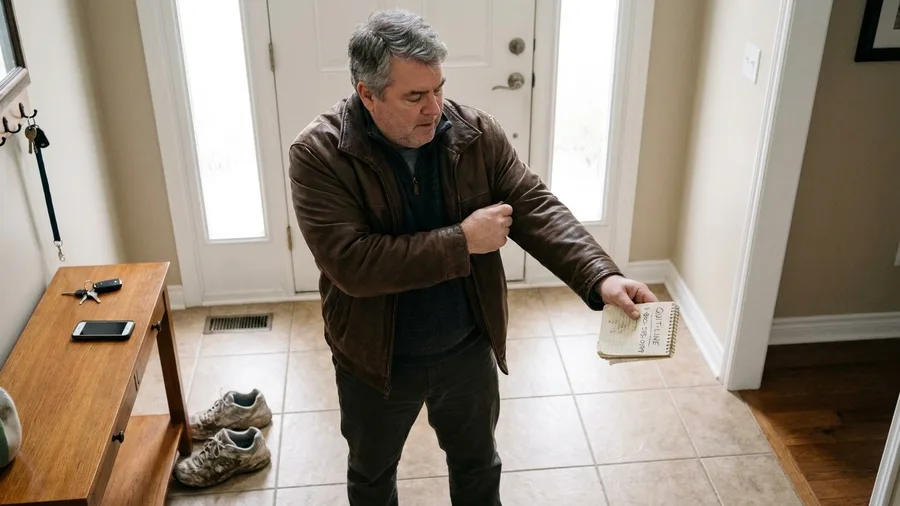
Cutting back on drink takes a decision most people can make and hold. The one that makes the drink question look small is a cigarette, and the people whose faces hold up over years either never started or quit for good somewhere along the way.
It sits first among every lever because it works on skin, teeth, lungs, circulation and sleep in the same week. No sunscreen, no retinoid, no morning in the gym undoes what a pack a day does to the small vessels feeding the skin and the airways that decide how a person sleeps.
The question a reader with two decades behind them is really asking: is the damage already done? The body keeps repairing after the last cigarette, at any age. Circulation improves within weeks, lung function climbs, and the skin's blood supply comes back. No product on a shelf substitutes for stopping.
The route in is a clinician and 1-800-QUIT-NOW, which connects to free coaching, a quit plan and options your doctor can talk through with you. Do not try to do it alone and silent.
It is hard. Most people who quit for good tried several times first, and a relapse is a step in the process, not a verdict. Someone twenty years into smoking has not run out of time to stop.
This is the one habit that costs nothing to keep and is the hardest to start. The payoff is not minutes saved in a day – it is years of them, added back at the far end of the line.
💡 Tip: Set a quit date within two weeks and tell one person the date. A date with a witness beats a vague intention every time.
9. Half the Plate Plants at Most Meals
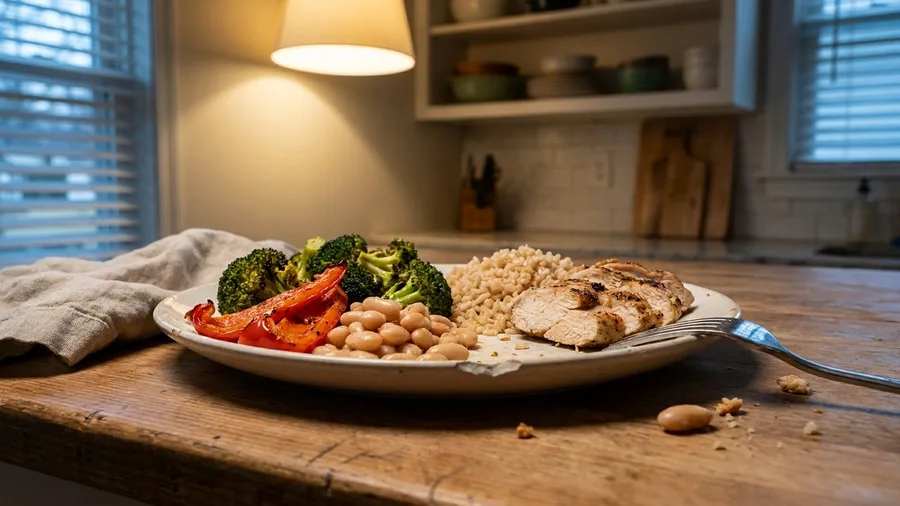
With smoking off the table, what remains on this list is not a diet plan, a calorie app or a named program. It is a rule about what sits on the plate, and it needs no shopping list the reader is not already using.
Half the plate at lunch and dinner is vegetables, fruit, beans or whole grains. The other half is whatever was already going to be there. No counting, no tracking, no branded system with a book and a subscription.
The shopping looks ordinary: a bag of frozen mixed vegetables, two cans of beans, a bag of apples, a tub of oats. All of it sits in the same aisles the cart already passes through, and the price per serving is measured in cents, not dollars.
What the rule does is fiber, and fiber is what steadies the afternoon. Blood sugar stops spiking and dropping, the 3 p.m. slump softens, and the gut behaves on a normal week instead of a dramatic one.
There is no detox and no juice cleanse in this picture. Supplements do not stand in for food unless a clinician has a specific reason to recommend one.
The cost is five extra minutes of chopping and a cutting board that gets used more. The rule works in a work cafeteria as well as a home kitchen – half the tray, then the rest – which is what makes it survive a Tuesday away from home.
What they keep out of the cart vs. what they put in
Keep out
- Nightly alcohol, seven days a week
- Meal-replacement shakes and January cleanses
- A ten-step skin routine no one finishes
- Supplements standing in for actual meals
- The parking space closest to the door
Put in
- Several alcohol-free nights a week
- Frozen vegetables and canned beans
- Four products, one of them sunscreen
- Protein at breakfast, not just coffee
- Errands walked from the far end of the lot
10. Standing Plans With People They Like

Most of what protects a body is done alone, in a kitchen or a hallway, with nobody watching. The habit that surprises people is the one with another person's name on the calendar.
The shape is specific: a walk at the same time each week with the same friend, a dinner on the first Thursday of the month, a class that runs on a schedule somebody else keeps. Not a resolution to do better about staying in touch. An entry, in the phone, with a time attached. The people who seem to be aging slowly tend to have three or four of these running at once, and they have usually had them for years.
Why a standing dinner counts as a health habit is not obvious until you look at what isolation does. Loneliness shows up in how a person sleeps, in mood that sags through the afternoon, in a second drink poured because the evening is long, in a frozen dinner eaten standing at the counter. One recurring hour with someone whose company is easy touches all four. Ask anyone who works in geriatric medicine and they will say the same thing: the patients who are doing well at eighty usually have a standing plan somewhere in the week.
The mechanic that holds it together is expectation. On a Tuesday when the week has gone sideways, a solo plan gets cancelled by the person who made it. A friend standing at the trailhead does not cancel so easily, and that asymmetry is the entire advantage. The habit runs on the mild social cost of letting someone down, which turns out to be far more reliable than willpower.
Then there is the version of this that fits a life with small children or a parent who needs help. A 20-minute phone call, on the calendar, at the same time each week, with the same person. It is not the walk. It is not nothing either, and it survives a week that would have eaten a dinner out.
What it costs is close to nothing. An hour that was going to pass anyway, minus the price of a coffee, sometimes less.
What it asks is the harder part: these are the minutes people cut first when the week fills up, which is exactly why the ones who keep them are the ones whose weeks look calmer than everybody else's.
Two myths worth clearing out
Where a figure would otherwise be guessed, the source is named so you can check the current number.
11. Flossing and Two Cleanings a Year
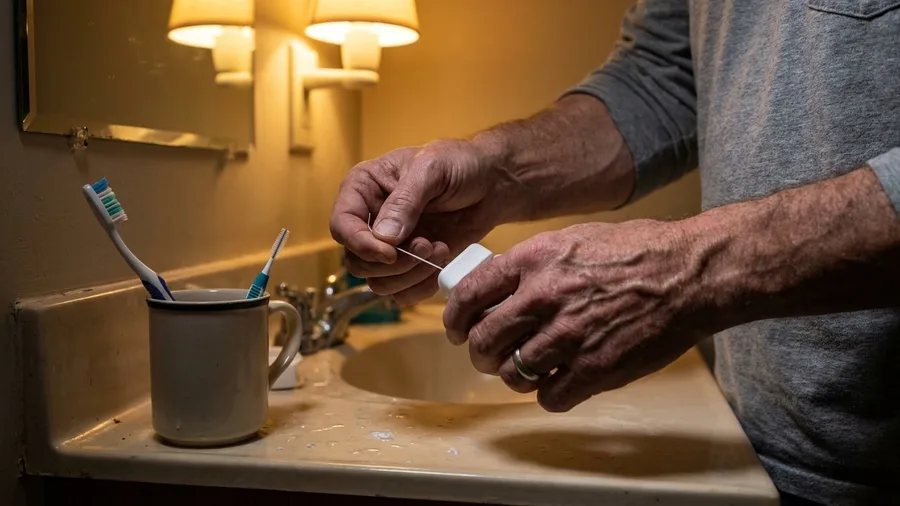
Look at a photo of a group at a reunion and the eye lands on teeth before it lands on anything else. Before the hairline, before the wrinkles, before the jaw. A full, intact smile is most of what people register in a face, and it is also one of the few things on this list that a person can genuinely maintain rather than merely slow down.
The routine is two parts. Floss or an interdental brush once a night, two minutes at the sink, and a cleaning with a check every six months. The second part is a schedule, not a visit made when something hurts. Pain is a late signal, and by the time a tooth aches the work is bigger and the bill is larger.
What is being prevented is gum disease, and it is worth knowing that the damage in the mouth does not stay in the mouth. Dentists point to the same thing year after year: bleeding, swelling or a gum line that has started to move is a dentist's appointment, not a diagnosis to be reached from a search engine at midnight.
Here is the number that stops people. A cleaning without insurance runs roughly $75 to $200 in most US markets. Readers without a regular dentist should still pick up the phone and ask what the cash price is. The answer is often lower than the guess, and the guess is what keeps people away for years.
Two predictable visits a year, and a two-minute habit at night.
💡 Tip: Ask for the cash price and the new-patient rate separately. They are often different numbers, and the answer is usually better than people expect.
12. Knowing the Blood Pressure Numbers

The teeth get checked because you can see them in the mirror. Blood pressure has no mirror.
It can run high for years without a single sensation attached to it, which is exactly why the people who seem to be aging slowly can rattle off their numbers when asked. They are not guessing. They wrote them down.
The habit is one annual physical, under an hour, plus a home cuff for readers whose clinician asks them to track between visits. The cuff runs $30-$50 at a drugstore, and it is the only device in a list that otherwise costs nothing but minutes.
An annual visit is not vanity at this age. It puts blood pressure, cholesterol, blood sugar, vision and skin on one page in front of someone trained to read the trend, not the moment.
a blood pressure that sits a few points high for ten years does quiet work on arteries, kidneys and eyes, and none of it announces itself along the way. Catch it in year two and the conversation is about walking and salt. Catch it in year twelve and it is about medication.
Your own targets come from your clinician. No range is printed here on purpose, because a number copied off a webpage was never yours to begin with.
Watch how the numbers get judged, too. A reading taken after a rushed morning and two coffees is a data point, not a verdict, and a single high reading in a dentist's chair is not a diagnosis.
The people who track this well keep a small notebook or a phone note with dates and readings, so the annual visit becomes a conversation about a line on a chart rather than a fresh start every year. That is what a long game looks like in practice.
One appointment, twelve months apart, less time than a hair coloring, and the cheapest insurance in the whole list against being surprised.
🌙 Building a wind-down in four steps
Set the phone down
Charge it in another room so the last 30 minutes before bed have no feed and no inbox.
Dim the room
One lamp instead of the overhead light tells the body the day is ending.
Do one quiet thing
Light reading, a shower, or stretching — pick the one you will actually do on a bad night.
Lay out tomorrow
Clothes and the next morning's first task, so the fixed wake time is not a negotiation.
13. A Wind-Down That Isn't a Screen

A yearly checkup is one appointment on the calendar. The other half of the story is the half hour before sleep, played out every night, and it is the part nobody schedules.
What people who fall asleep easily do is almost boring. In the last 30 minutes before bed they read something on paper, take a warm shower, stretch on the floor, or lay out tomorrow's clothes. No feeds. No inbox.
Thirty minutes is the whole block, and it can start once the kitchen is turned off.
A phone does not just keep a person awake; it erases the finish line. Feeds have no last page, so bedtime turns into a scroll with no natural end, and the clock slides 20 minutes past the hour the person meant to stop.
The wind-down and the fixed wake time hold each other up. Going quiet at a set hour makes a steady wake time realistic in the morning, and the alarm makes the quiet hour necessary at night.
The cost is a paper book and one small purchase that surprises people: a $10 alarm clock. The clock replaces the phone as the thing on the nightstand, and the phone charges in another room at no cost at all.
The homework at sixty minutes before bed is usually the hardest part: standing up and walking the phone to the kitchen charger. It feels silly for about four nights, then it becomes the thing that signals the day is closing.
14. Weight Kept Steady Instead of Crash-Dieted
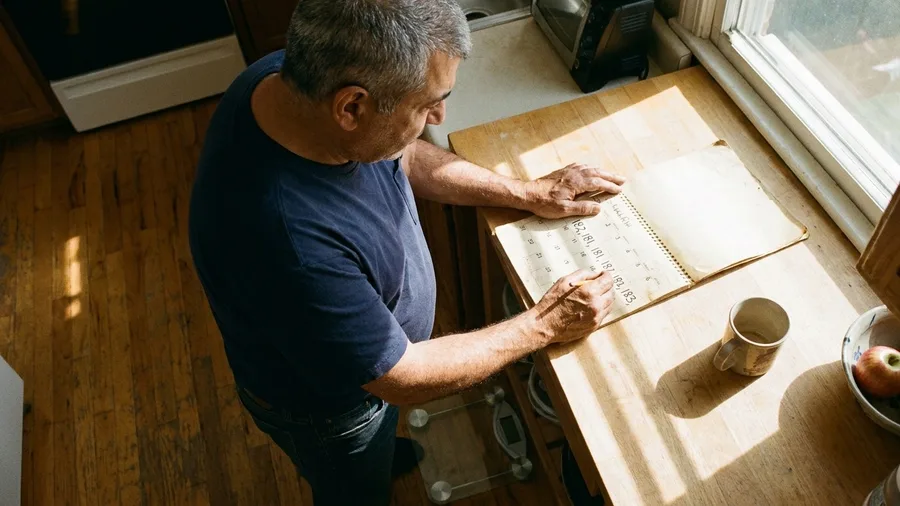
When the bedtime is fixed, the dumbbells come out twice a week, protein lands at breakfast and the walk happens after dinner, what shows up is not another habit. It is weight that holds within a few pounds across years.
That figure is the closest this list comes to an outcome, and it is the least dramatic one available. A 3- or 4-pound drift over a decade, not a drop of twenty in the spring.
No cleanses. No years of meal-replacement shakes. No punishing January followed by a quiet February slide.
The work happens elsewhere, and this entry simply names it. Resistance training holds the muscle that keeps metabolism from sliding, and a protein breakfast keeps hunger steady through a morning that would otherwise end at the vending machine.
Repeated loss and regain leaves a person tired and hungrier than the same weight held steady. That is the bill, paid in energy rather than in how anyone looks: the body defends against the next shortage by asking for more food, and the asking does not stop when the diet does.
If weight has moved on its own, without a change in eating or activity, that is a conversation with a clinician rather than a cue to cut calories. Unexplained change is a medical question first.
There is no purchase here and no block of minutes, because steadiness is not something a person does for thirty minutes a day. It is the shape the other habits leave behind after a year.
Frequently Asked Questions
How long before any of this shows up?
Sleep and alcohol changes show up within a week or two. Strength and steadier eating take six to eight weeks before they feel different in daily life. Skin and teeth are years-long habits, which is exactly why they are cheap to keep.
What if I already smoke or smoked for decades?
Stopping is still the single biggest lever, and the body keeps recovering after the last cigarette at every age. Call 1-800-QUIT-NOW or talk to a clinician about a plan. Several attempts is the normal route, not a sign it will not work.
Do I need supplements to do any of this?
No. Protein at breakfast comes from eggs, yogurt, cottage cheese or beans. A protein powder is optional, and supplements do not stand in for food unless a clinician has given you a specific reason.
Where do I confirm the actual numbers for SPF, sleep hours or alcohol limits?
The American Academy of Dermatology for sun protection, the American Academy of Sleep Medicine for sleep duration, the HHS physical activity guidelines for weekly activity, and NIAAA for alcohol limits. Recommendations get updated, so check the source rather than a number you remember.
Is this really about looking younger?
No. These habits reduce accumulated damage and protect what already works. Genes, income, illness and luck are part of how anyone ages, so none of this is a discipline contest or a promise about a face.
Pick Two, Ignore the Other Twelve
Stop trying to adopt all fourteen. Pick two, starting this week: the sunscreen, plus one more that latches onto a part of your day you will not have to rearrange.
Tonight, the $12 to $18 bottle goes next to the toothbrush, so tomorrow morning needs no decision. The second habit attaches to a slot that already exists – book a class if mornings are free, put the phone charging in another room if evenings are the only quiet hour, or write a friend's name in the calendar if the week already has a standing slot.
Ignore the other twelve for now. Ignore the product aisle, the ten-step routine, the January overhaul, and the instinct that starting means starting everything. Then remember the person whose birthday is on your calendar: not a different program, just two or three boring things repeated – with their own share of genes, income, illness and luck in the mix.
None of this was ever about looking a certain age. It is about carrying the groceries, climbing the stairs and getting up off the floor at seventy. Choose the second habit tonight, because that is the decision you are actually making.
Start with the four-minute one
Put a $12–$18 bottle of broad-spectrum SPF 30 on top of your toothbrush tonight, then pick the second habit you will run this week. Two is the whole plan.