The Japanese Breakfast: Why It’s So Different and How to Try a Simple Version

A Japanese breakfast is one cup of plain rice ringed by small salty dishes. Here is why it feels foreign and how to build a four-part version for $5.

 Natalie Brooks
A Japanese breakfast is one cup of plain rice ringed by small salty dishes. Here is why it feels foreign and how to build a four-part version for $5.
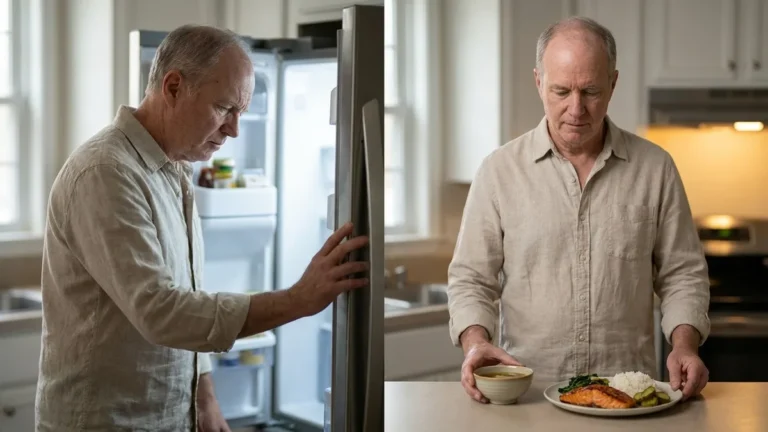
Ichiju sansai is one soup plus three sides, with rice outside the count. Here is how the four slots work, what they cost, and how to build one in 30 minutes.

15 non-egg breakfast builds, each with a protein estimate, active prep time and the morning it fits. Pick tomorrow’s breakfast in one decision, not a search.

Fourteen defaults that make a decent week of eating happen without recipes, willpower or a 6 p.m. decision: five dinners, one cart, one visible shelf.
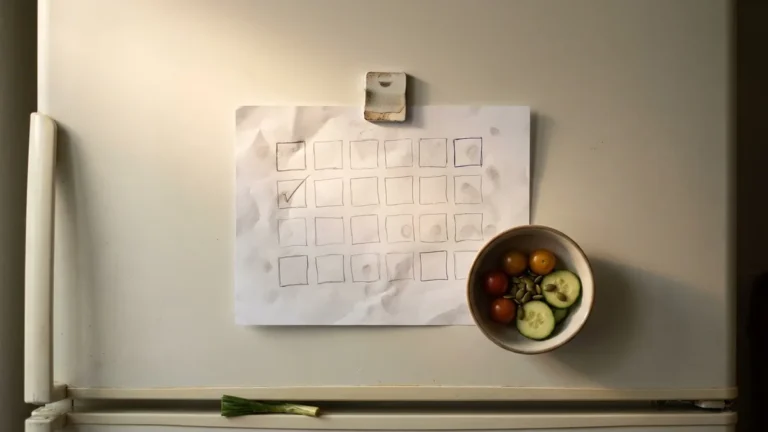
The 20 Plants a Week challenge is a variety add-on, not a diet. Learn what counts, what trips people up, and copy a one-week plan with a 20-box tracker.
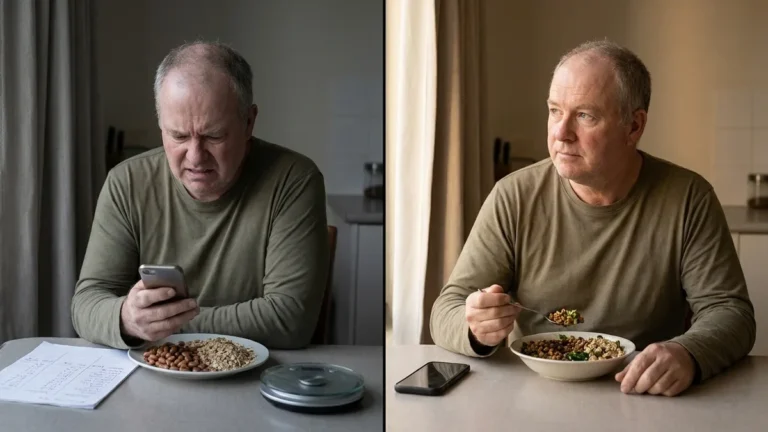
Fibermaxxing, explained without the hype: which parts of the gram-counting trend are worth copying, which to slow down on, and the one-swap start that skips the scoreboard.
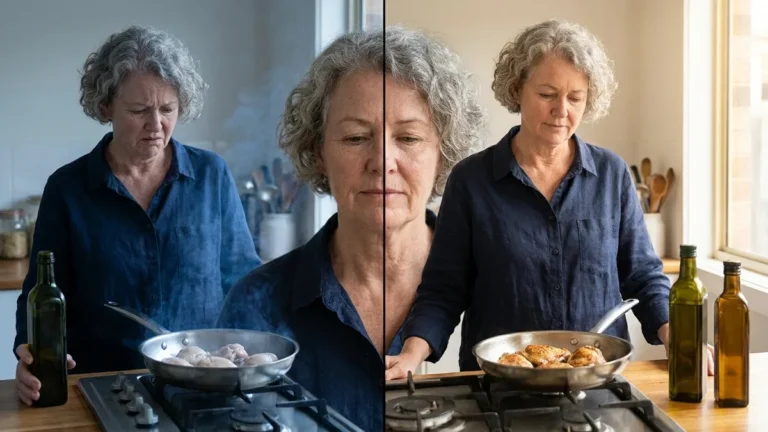
Stop guessing at the oil shelf. Match smoke point to pan temperature, then let price and flavor decide. Nine rules for searing, frying, baking and dressing.
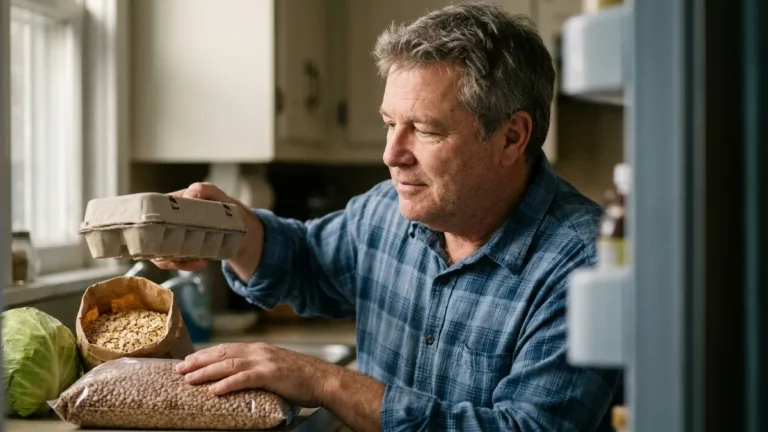
The 15 cheap grocery staples nutritionists actually keep buying, with real US prices, serving costs, and watch-outs so you can shop smarter today.
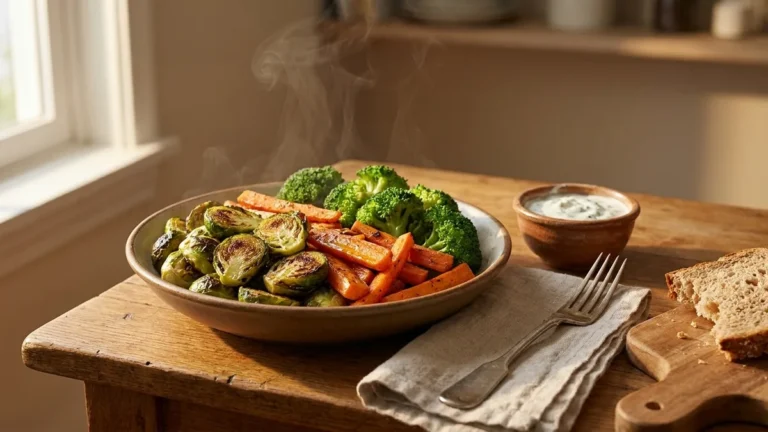
A practical list of 12 vegetables worth adding after 60, each with why it matters, how to pick and cook it, and a realistic way to eat it without overhauling dinner.
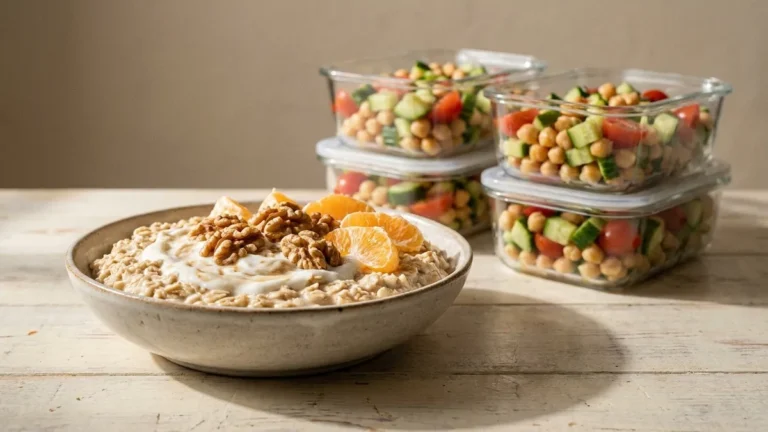
A seven-day Mediterranean menu for beginners: 15 simple meals, one $64 shop, and a 45-minute Sunday prep block that decides breakfast, lunch and dinner for you.