Workout And Activities
Home Workouts & Activities for Beginners (10 Easy Tips)
Move your body, burn fat, and build healthy worksouts & activities routine
📅 24 April 2026
⏱ 15 minuts Read
👤 By Olivia Harper
In this guide you’ll Learn:
Most people don’t fail because they don’t want to get fit. They fail because the plan doesn’t fit their life. You get motivated, try something intense, and after a few days it just feels too much. Then everything stops. If that sounds familiar, you’re not the problem — the approach is.
This guide is built around simple movements that you can actually continue, even on low-energy days.
If you enjoy simple morning wellness routines, you may also like these teas for weight loss for beginners at home.
1. Walking That Actually Becomes a Habit
Walking sounds one of the too basic home workouts & activities, so people often ignore it. But the truth is, this is where most routines should begin. A common pattern you see is people jumping into hard workouts and skipping simple movement, which makes things harder to maintain. Walking removes that pressure and makes starting easier.
What To Do:
Instead of thinking about long walks or step counts, begin with a short and manageable walk that fits into your day. It could be after lunch or in the evening. The idea is to make it feel natural, not like a task you have to force yourself to do.
Common Problem:
Many people think walking is not “real exercise,” so they ignore it completely.

Benefits ✨
Pro Tips💡
If you are just starting your journey, these simple weight loss tips for beginners can help you build a clear plan.
Way 2: Bodyweight Exercises Without Pressure
A lot of beginners feel stuck because workouts look complicated. They see advanced routines and feel like they can’t do it. What usually happens is they try too much in one go and quit early. Keeping exercises simple removes that mental block.
What To Do:
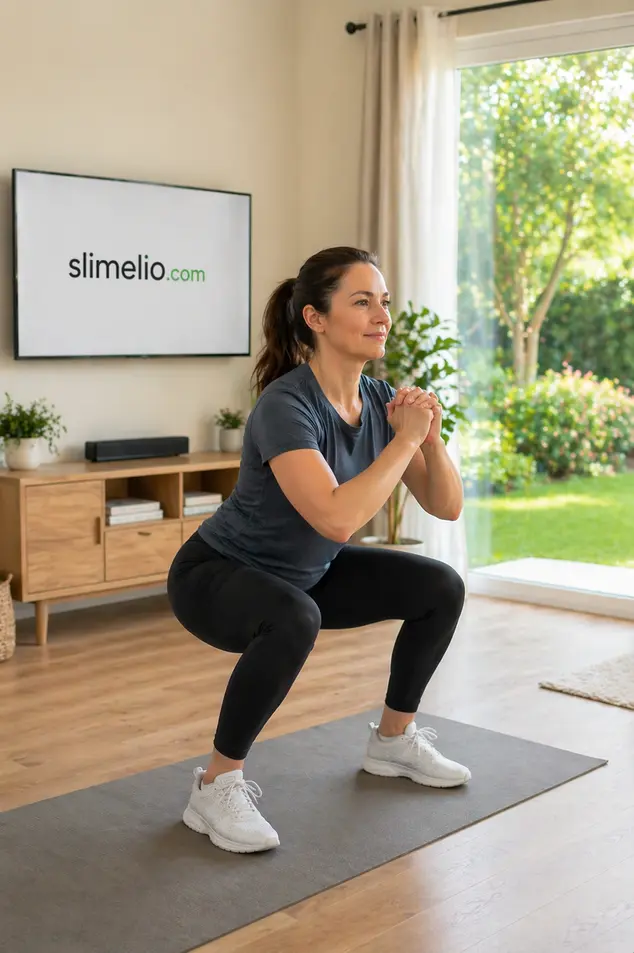
Pick 2–3 basic workouts & activities like squats, push-ups (even against a wall), and lunges. Do a small number of repetitions and focus on doing them correctly. The goal is not intensity but getting comfortable with movement.
Common Problem:
Trying too many exercises at once often leads to confusion and fatigue.
3. Turn Daily Activities Into Movement
One mistake people make is separating “exercise” from daily life. They wait for a proper workout session and ignore everything else. But in reality, your daily activities can contribute a lot if you do them actively.
What To Do:
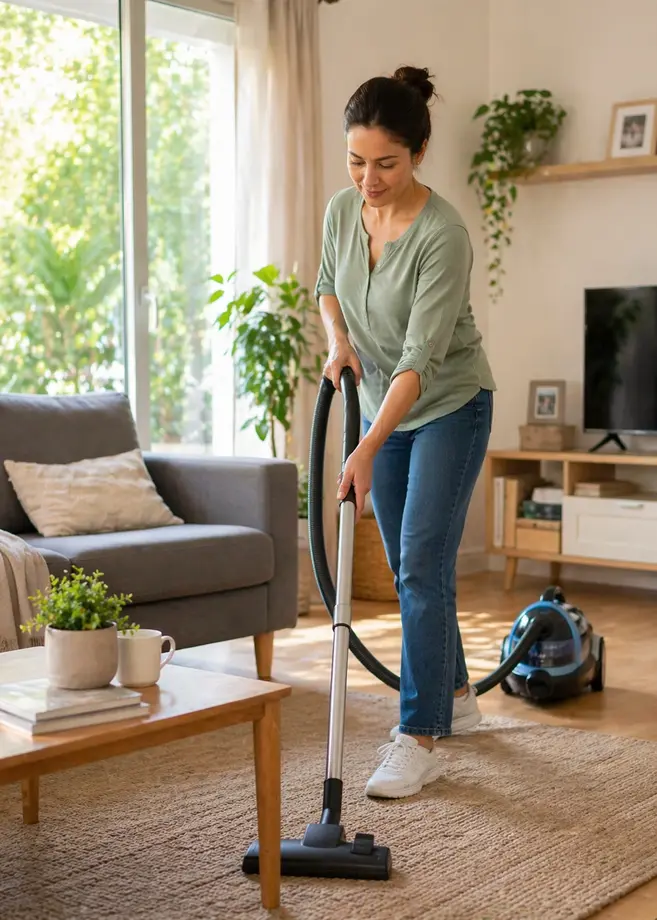
Look at your routine and find small opportunities to move more. Use stairs instead of lifts, stand while on phone calls, or move around during breaks. These changes don’t feel heavy but still make a difference.
Common Problem:
People wait for “perfect workout time” and ignore small daily opportunities.
Benefits ✨
Pro Tips💡
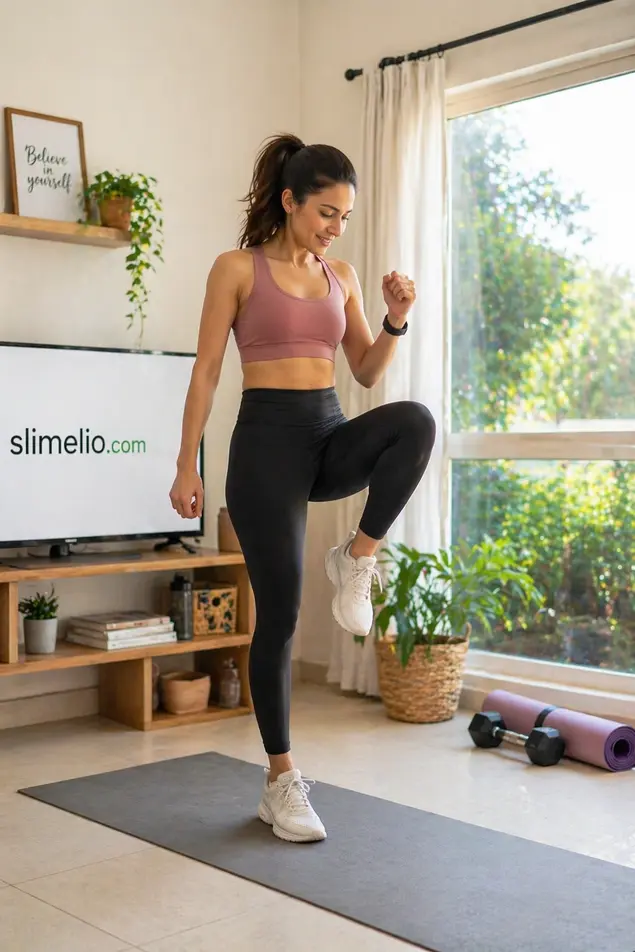
4. Short Workouts That You Actually Do
Many people believe that workouts & activities need to be long to be effective. Because of this, they delay starting or skip completely. But shorter sessions are often easier to follow and maintain over time.
What To Do:
Set aside 10–15 minutes and focus on simple movements like jumping jacks, squats, or light stretching. Keep the session manageable so it doesn’t feel like a burden.
Common Problem:
People assume short workouts & activities don’t matter, so they skip them entirely.
Benefits ✨
Pro Tips💡
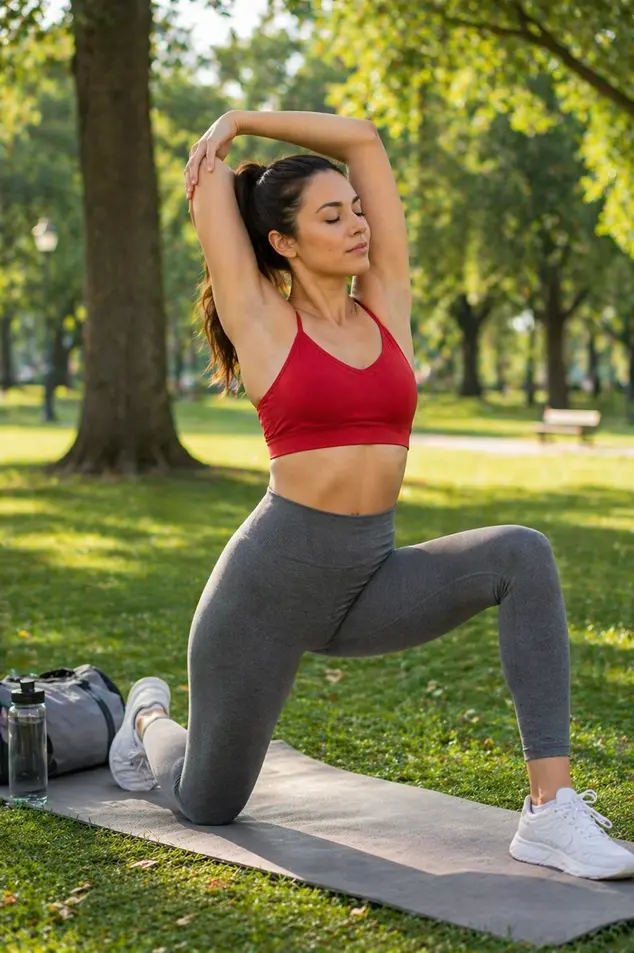
5. Stretching for Better Movement
Stretching is often ignored in home workouts & activities because it doesn’t feel like a “real workout.” But when your body feels tight, everything else becomes harder. Improving flexibility can make your overall movement easier.
What To Do:
Include a few minutes of stretching in your day, especially after waking up or before bed. Keep movements gentle and controlled.
Common Problem:
Many people skip stretching and then feel uncomfortable during workouts.
Benefits ✨
Pro Tips💡
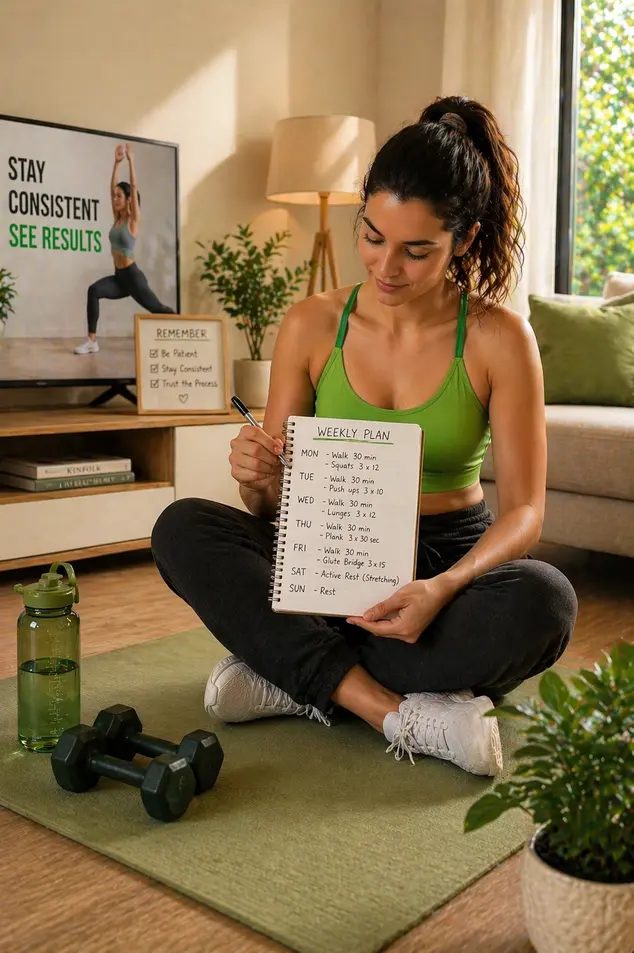
6. Build a Routine That Feels Natural
One common mistake is changing routines too often. When people try a new plan and workouts & activities in thier routine, they never build a proper rhythm. A simple and repeatable routine makes it easier to stay consistent.
What To Do:
Create a routine you can repeat for one week. It can be as simple as walking plus two basic exercises. Keep it stable so your body and mind slowly get used to it.
Common Problem:
Too many changes can make any routine difficult to follow properly. This is why a simple plan often works better than a complicated one.
Benefits ✨
Pro Tips💡
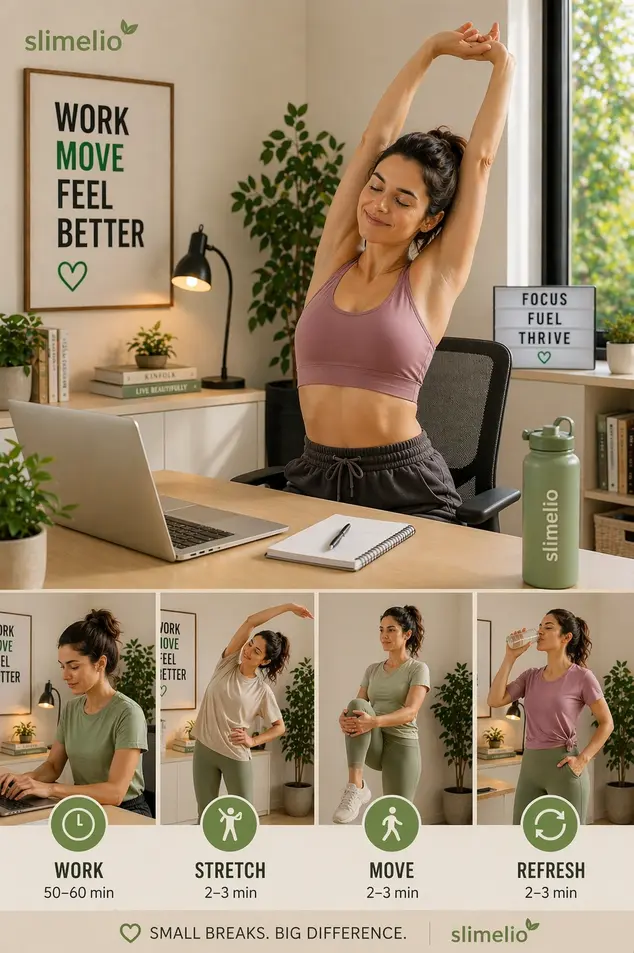
7. Stay Active Beyond Workout Time
A common issue is that people do one workout and stay inactive for the rest of the day. This reduces the overall impact. Your total movement throughout the day matters more than one session.
What To Do:
Break long sitting periods by standing, stretching, or walking for a few minutes. These small movement breaks help your body stay active throughout the day.
Common Problem:
Many people focus only on workout time and ignore the rest of the day. This makes their lifestyle less active, even if they exercise regularly.
Benefits ✨
Pro Tips💡
8. Keep It Manageable in the Beginning
One common pattern is starting too hard. When exercise feels difficult from the first day, motivation can drop quickly. Keeping things manageable helps you stay regular and continue for longer.
What To Do:
Choose exercises that feel easy and doable. Even simple movements are enough to build your base. Once your body gets used to the routine, you can slowly increase the intensity.
Common Problem:
Starting too hard can make exercise feel stressful and tiring. This often leads to early quitting before the habit becomes natural.
Benefits ✨
Pro Tips💡
9. Keep Showing Up Even on Low Days
Everyone has days when they don’t feel like doing anything. What usually happens is people skip completely and then lose momentum. Continuing even with a smaller effort makes a difference.
What To Do:
On low-energy days, choose an easier version instead of skipping. A short walk, light stretching, or a few simple movements can keep your routine alive.
Common Problem:
Missing one day can easily turn into missing many days. This is why doing something small is better than doing nothing.

Benefits ✨
Pro Tips💡
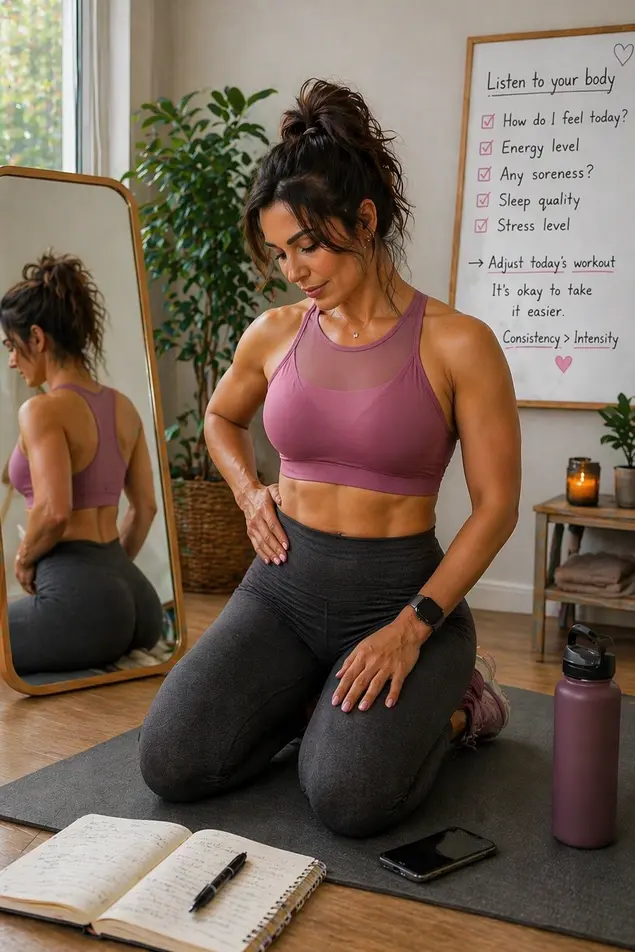
10. Pay Attention to Your Body
Sometimes people ignore how their body feels and push too hard. This can lead to fatigue or even injury. Understanding your limits is important for long-term progress.
What To Do:
Notice how your body responds to movement. If you feel tired or sore, reduce intensity or take a lighter approach instead of forcing yourself to continue at the same level.
Common Problem:
Pushing too hard in the beginning can lead to tiredness and low motivation. This often makes people quit early instead of building a steady routine.
Benefits ✨
Pro Tips💡
Weekly Beginner Home Workouts & Activities Plan
| Day | Main Activity | Time Required | Easy option |
|---|---|---|---|
| Monday | Walking + Squats | 15–20 min | 10-min walk |
| Tuesday | Stretching + Wall Push-ups | 10–15 min | Light stretching |
| Wednessday | Walking + Daily Movement | 15–20 min | Walk after meal |
| Thursday | Short Home Workout | 10–15 min | 5-min movement |
| Friday | Stretching + Lunges | 10–15 min | Gentle stretching |
| Satureday | Walk + Easy Exercise | 15–20 min | Slow walk |
| Sunday | Rest or Light Movement | 5–10 min | Easy Push ups |
Author Words:
You don’t need a gym, expensive plans, or perfect motivation to begin but need one perfect plan to execute worksout & activities at home. What matters is choosing something that fits your life and continuing it regularly. Small movements done daily may not feel big, but over time they build real change.
Begin with what feels easy to do today — that’s what actually works.
Along with these workout and activities you can also use these summer drinks fo weight loss.
FAQ’S
How do I start working out at home as a beginner?
Start with simple movements like walking, squats, wall push-ups, and stretching. Keep the routine short and easy so you can repeat it regularly.
Are home workouts effective for beginners
Yes, home workouts can be effective if you stay consistent and choose exercises that match your fitness level. Bodyweight exercises are enough to begin.
How long should a beginner workout at home?
A beginner can start with 10–20 minutes a day. The goal is to build the habit first, then increase time slowly. Question:
Can I lose fat with home workouts & activities?
Yes, home workouts can support fat loss when combined with regular movement and healthy eating. Walking, short workouts, and daily activity all help.
Do I need equipment for home workouts?
No, you can start without equipment. Exercises like squats, lunges, wall push-ups, planks, and stretching use your body weight.
How many days a week should beginners exercise?
Many beginners can start with 3–4 days per week, plus light walking or stretching on other days. Rest is also important for recovery.
What is the best home workout for beginners?
The best workout is one you can repeat. A simple mix of walking, squats, wall push-ups, stretching, and short movement breaks works well.
Should beginners workout every day?
Beginners do not need hard workouts every day. Light activity like walking or stretching is fine, but intense exercise should include rest days.
What should I do if I feel tired or sore?
Choose a lighter version of your routine. A short walk, gentle stretching, or rest can help you stay consistent without overtraining.
Why do beginners quit workouts & activities so quickly?
Many beginners start too hard, expect quick results, or keep changing routines. A simple plan that fits your life is easier to continue.