
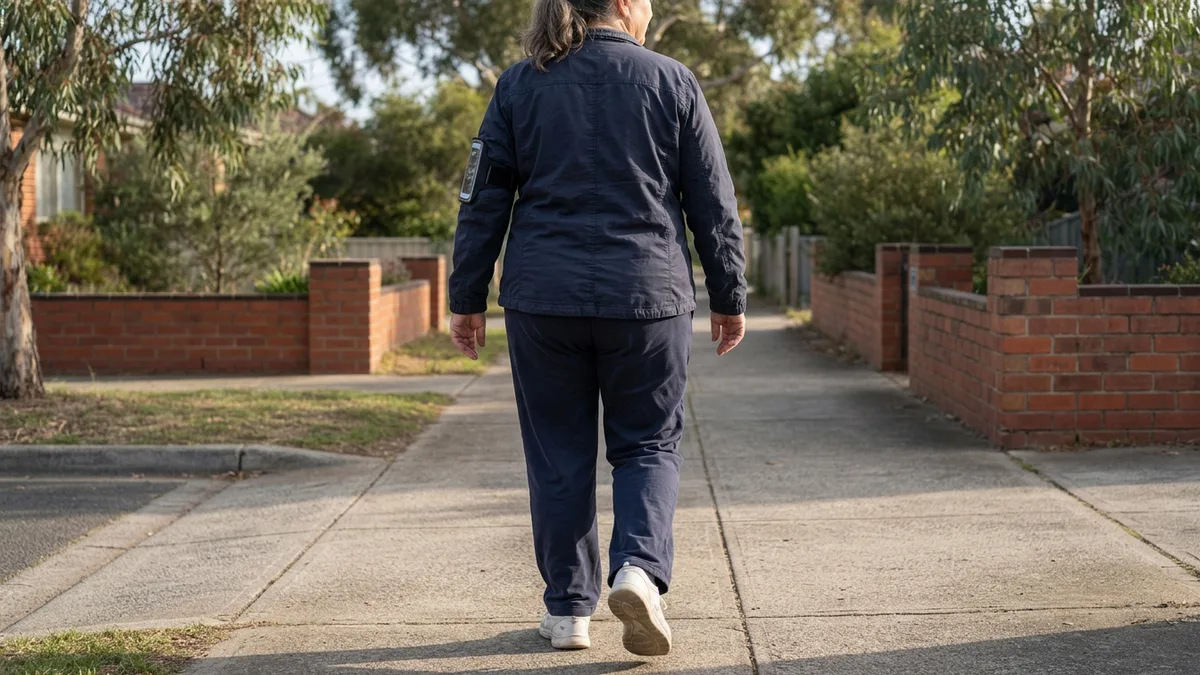
Eight thousand steps sounds like a stroll. Then you do the calendar math and it turns into a part-time job. I did the math before I laced up: at my 5-foot-9 stride that's about 3.7 miles, roughly 70 to 75 minutes a day, and something close to 37 hours across a month.
For years I'd absorbed the 10,000-step line as gospel, even though I sit at a desk nine hours a day and was averaging about 3,000. I didn't pick 8,000 because anyone told me to. I picked it because it broke cleanly into a 45-minute loop around the neighborhood park before work plus a 25-minute walk after dinner, with errands and a deliberately distant parking spot filling the rest.
So over 30 straight days here is what I got for my 37 hours and roughly $110 in shoes: better sleep, a little more stamina, a smaller mood lift than I hoped, and four pounds gone. What I didn't expect was the streak nearly wrecking it. By the end, the plan on the table is which pieces you keep and where to look for real guidance on how much movement you need.
8,000 Steps Fit Around a Desk Job
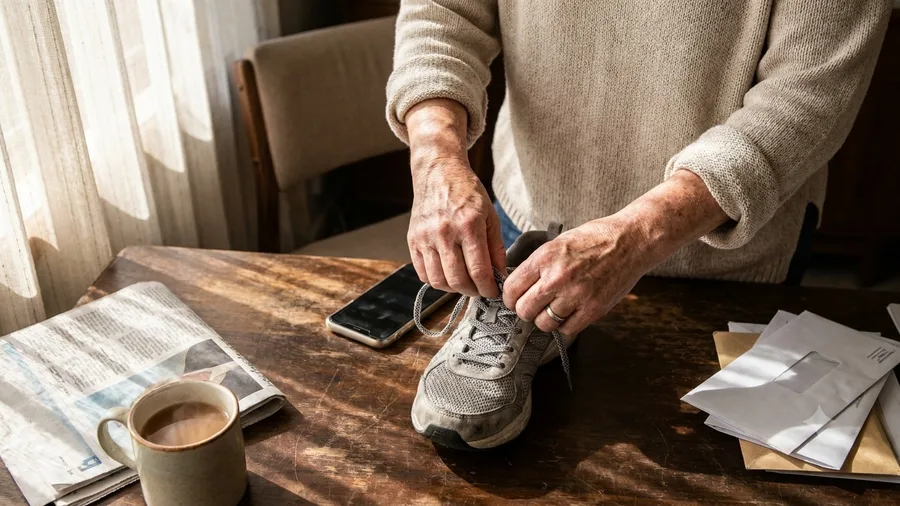
It fit because I built it from two anchors I already had, a park loop before work and a walk after dinner, not because I found an extra ninety minutes lying around.
Before the experiment my phone read about 3,000 steps on a normal workday. I'm 38, I write marketing copy for a living, and my desk holds me for nine hours. Most of those 3,000 steps were parking lots, hallways and the walk to the office coffee machine.
So the 8,000 had to come from somewhere new. I mapped a 45-minute loop around the neighborhood park near my house and made it the first thing I did, before email, before coffee even. The second anchor was a 25-minute walk after dinner, after the plates were in the dishwasher and before I sat down again.
Errands on foot covered the last few hundred steps here and there, and I started parking at the far end of the lot on purpose, which felt silly for the first week and then stopped feeling like anything.
At my 5-foot-9 stride and a normal 3 mph, 8,000 steps is about 3.7 miles. That worked out to 70 or 75 minutes a day, or roughly 37 hours across the 30 days.
I want to be honest about where the number came from: my calendar, not a guideline. I picked 8,000 because it split cleanly into a morning block and an evening block. How much activity you actually need is a question for official health sources and your doctor, not this story.
The setup was deliberately plain. My phone sat in my front pocket and counted. No watch, no paid app, no subscription to cancel later. That meant the only real cost to find out was the walking itself, which is the number I want you to do for your own week before you decide anything.
💡 PRO TIP
Pick Two Slots, Not One
A single 70-minute walk is harder to protect than two shorter ones. I guarded a 45-minute morning loop and a 25-minute evening walk. When one got squeezed, the other still kept the day alive.
The First Ten Days Were the Real Test

The first ten mornings were the hard part, because a habit is hardest before it is one. The 6:15 a.m. alarm rang and most days I spent a minute arguing with it before I got up.
My calves and shins stayed sore through the first two weeks. By day ten the soreness was still there, but it had turned predictable rather than new, and that distinction was the whole difference between quitting and continuing. I started this at 38 with a desk job's legs; the first stretch complaining is normal, not a sign to stop.
Then came the bargaining. Did the steps to the mailbox count? Did the walk across the office? I settled on one rule: only deliberate walking counts toward the 8,000. Errands and hallway trips were a bonus, never the total.
Day ten looked a lot like day three on paper. The 6:15 alarm still rang, but the shoes sat by the door, the loop was the same 45 minutes, and the deliberate-walking rule killed the morning debate before it started.
That is the test in front of anyone trying this: the first ten days are the price of admission, and the routine only gets quieter after that.
👟 How the First Ten Days Went
Days 1-3
Steps logged: 4,100 / 5,800 / 6,300. The gap to 8,000 closed with a 25-minute evening walk after dinner, not more morning.
Days 4-7
Two rainy days moved the loop indoors to the mall's covered walkway. Same 45 minutes, same 8,000 – weather was never a valid skip.
Days 8-10
Kitchen pacing became the backup: 12 laps equals roughly 400 steps. I used it once, at 11:40 p.m., and hated it enough to never need it again.
One Night I Paced the Kitchen at 11:40
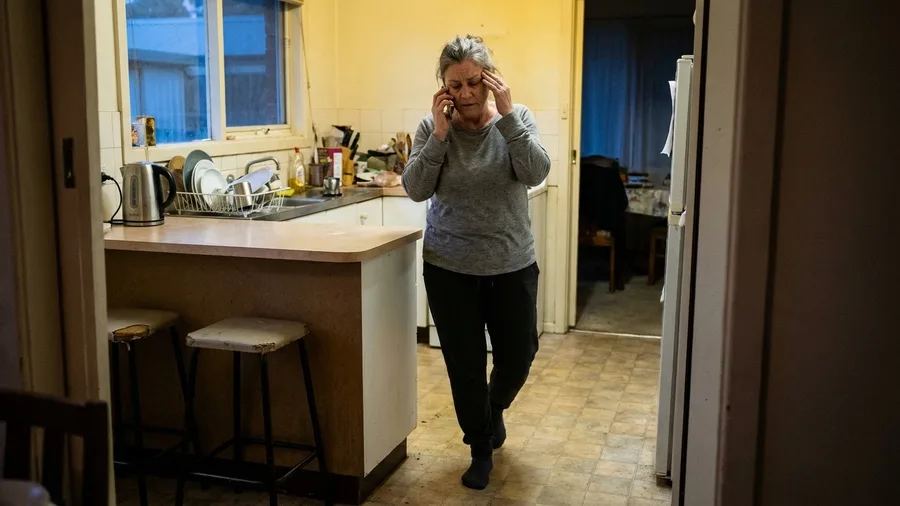
Life got in the way the way it does: rain, a late night, a missed count, and suddenly the number felt like a debt. One night I paced my kitchen at 11:40 p.m. to get from 7,400 to 8,000 before midnight. The streak had turned a tool into an obligation.
Weather came first. Two rainy days moved to a covered loop at the mall. Two other days needed a second walk after dark to close the gap.
The 11:40 night did not stop at midnight, either. The make-up walking pushed bedtime past 12:30, and the next day I was flat and quietly resentful of a number I had chosen myself. The perfect record cost me sleep and temper, which is the wrong price for a streak.
What I should have used was a floor: 5,000 on bad days, no exceptions, no make-up steps. A floor keeps the habit alive on the days life intervenes without making the number the boss.
If your version of this leads to kitchen pacing at 11:40, the number is doing the wrong job.
Streak Thinking vs. Floor Thinking
Streak Thinking
- Streak thinking hides its cost until the night it breaks. Avoid make-up steps after 9 p.m.; that 30-minute top-off cost me an hour of sleep.
- A break in the chain makes the whole month feel ruined, even 29 good days.
- Calendar day resets at midnight, not when you wake. So the 11:40 walk counted – and made the next day worse.
- The rule was never written down. I decided it at 11:40 in the kitchen.
Floor Thinking
- Set 5,000 on bad days and log it, not the number. The log's real job is pattern-watching, not scoring.
- The floor only works if it's boring. In 30 days I used it once – for rain, not mood. That's the test.
- Kitchen pacing is a fail signal: if you're doing it before midnight, the floor wasn't set ahead of time.
- Bank a few hundred steps before noon; it was the shortfall after 8 p.m. that caused trouble.
Sleep Changed Before Anything Else Did
The one thing that changed on a calendar, not a scale, was my bedtime. By the third week I was asleep by about 11:15 instead of 12:30, and I hadn't set out to fix my sleep.
It was walking that did it. Two walks a day is a physical bill your body pays in the evening whether you planned to or not, and by 11 my eyes were done arguing.
I kept a two-line log: bedtime, and how the night went. By day 30 it showed roughly 40 more minutes of sleep a night than my pre-experiment average.
The first week, though, was worse, not better. My calves ached, my legs were restless in the dark, and I lay there feeling like I had run somewhere. The sleep gain arrived after the soreness stopped being news.
One caveat, and it matters: this was my own log, on my own nights. It is not a finding about walkers, and I would not hand it to you as one.
But if the question you came with is whether you would still be tired, the honest answer from my month is that the sleep was the first thing to move, and it moved before the scale, the stairs, or my morning temper did.
My 30-Day Results — At a Glance
⚖️ Weight Change
About 4 lb down
😴 Sleep Gained
~40 min/night
🦵 Soreness Window
Weeks 1–2
⏱️ Daily Time
70–75 minutes
💵 Money Spent
About $110 (shoes)
Biggest Surprise
Sleep improved before weight or stamina did — and the first week was worse, not better.
The Scale Moved Less Than My Stamina Did
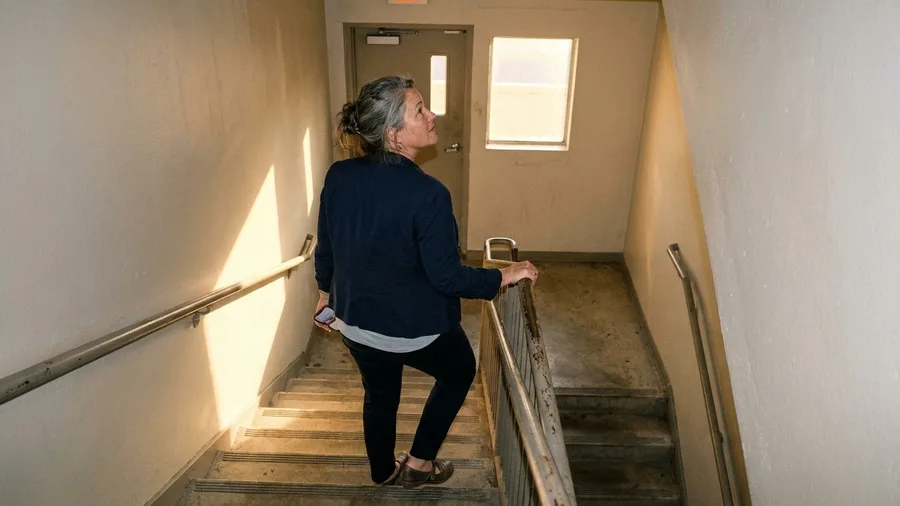
The scale moved, just not enough to make a story. About 4 lb down by day 30, a modest result I would not dress up, and not a reason for you to expect more.
My body, though, had other scoreboards that moved more than the number did.
The soreness tells the timeline honestly. Calves and shins complained through the end of week two, then went quiet by week three. That is roughly the adjustment window to plan around, not a sign you are doing it wrong.
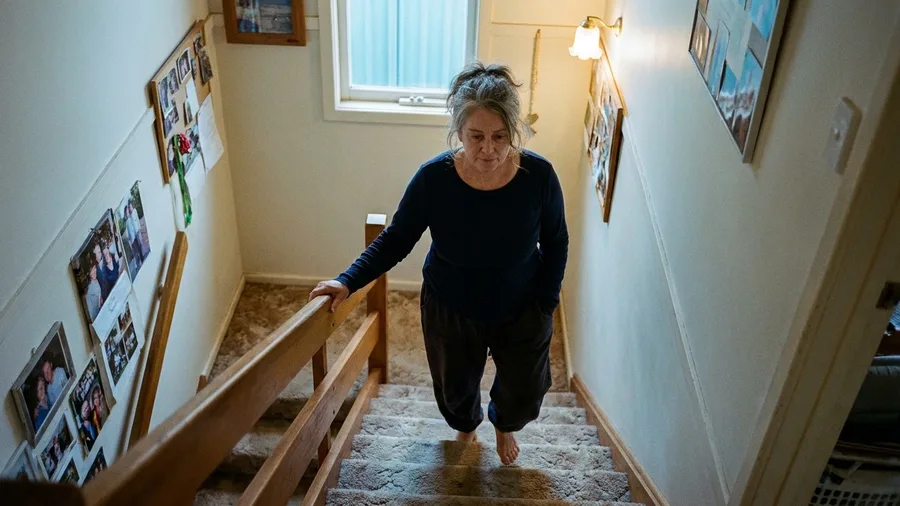
The stamina is the part I would have paid for. The stairwell at work and the hill on the far side of the park loop stopped requiring a pep talk. I climbed them on the way to somewhere instead of negotiating with myself first.
Then appetite, which the scale files under bad news. On long-walk days I was noticeably hungrier, and I ate accordingly, which quietly ate into whatever deficit 3.7 miles had earned me. That combination explains the modest drop better than any metabolism theory I could offer.
So the honest body answer: your clothes loosen a little, your legs adjust, and your wind improves before your waistline does. Track the stairs, not just the scale.
⚠️ COMMON MISTAKE
Don't Outwalk a Bad Diet
Walking 8,000 steps burns roughly 300–400 calories for an average adult. A single muffin and a latte can erase that. If the scale is your goal, treat walking as one lever, not the whole machine.
Mood and Focus Improved, Just Not Dramatically

The head change was real and it was small, and both halves matter. The clearest shift was the 45 minutes before work. In week one that slot felt like something being taken from me – I watched the clock and did the math on what I was not getting done. By the middle of the month I had stopped auditing it.
On the gray mornings, the ones where the sky never really got light, the loop did more work than the walk itself. Forty-five minutes of cold air and the same four turns around the park, and I came back to my desk less braced for the inbox. That is the reset I would pay for again.
Then came the deadline week, and it did not hold. Three late nights and a project that kept changing shape, and I walked every one of those days because the streak was still running. It did not touch the week.
The walk was a break in the day, not a cure for the day. What it gave me was a forty-five-minute pause with my phone in my pocket instead of in my hand – worth having, and not the same thing as making a hard week lighter.
This is my impression from one month of my own life, not a study. If low mood is following you around rather than visiting, a pedometer is the wrong place to look for help – talk to a clinician about it.
What I Got Wrong About 8,000 Steps
The Cost Was Time, Not Money
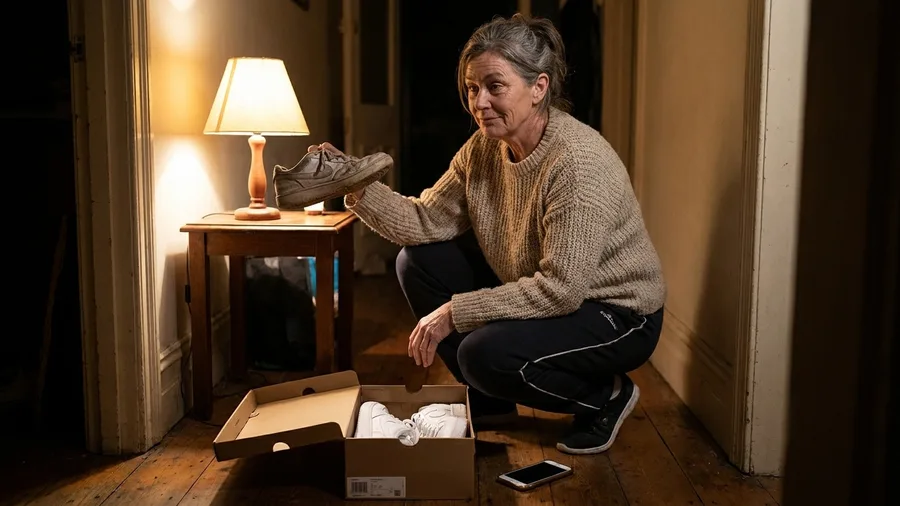
The 37 hours came out of two small windows, and I noticed them more than I noticed the receipt. Seventy to 75 minutes a day, split between the pre-work slot and the slot after dinner, every one of them minutes I used to spend sleeping or on the couch with a book.
The money was almost an afterthought. One pair of walking shoes wore smooth at the soles and got replaced for about $110. That was the whole bill: no gym, no app subscription, no membership. I tracked the steps on the phone already in my front pocket.
What nobody budgets for is the friction. Two rainy days sent me to the covered loop at the mall, which is a deeply unglamorous place to get your miles. Walking clothes meant extra laundry, and every morning started with a weather decision I had never had to make at 6:10.
So the true cost was time, shoe leather and attention, not cash. That matters for anyone weighing this against a desk week, because the 45 minutes before work was the one block I could never get back.
What I'd Keep and What I'd Skip
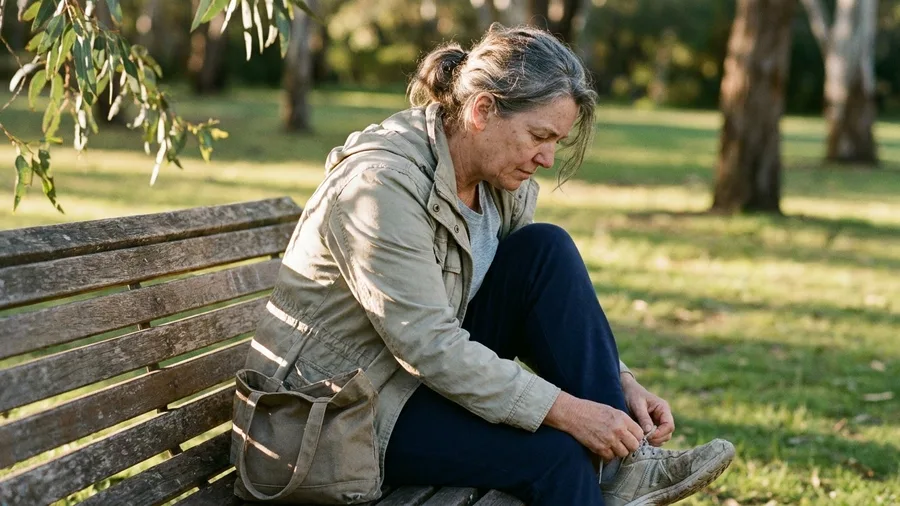
Knowing the bill is about 37 hours and one pair of $110 shoes, the cut came down to which pieces earned the keep. The morning park loop does, at four or five days a week.
That loop is 45 minutes of quiet before the inbox opens, and it is the piece that moved bedtime earlier and made the work stairs feel ordinary. The every-single-day rule does not. It turned a walk into a debt I paid at 11:40 p.m. in the kitchen, and the streak protected the number instead of me.
Midnight make-up steps go with it. If the only hour you can walk is before 5 a.m., or you already know a streak will make you miserable by day four, this daily-number version is the wrong tool for you, and skipping it is not a failure of will.
The smallest first move I would hand anyone: one fixed 20-minute loop, same time, same route, and only deliberate walking counts. No errands, no parking-lot padding. That is roughly a mile and a half, and it tells you in two weeks whether the habit fits your day before you promise it 30.
Before you start a new routine, run it past your doctor. For how much activity you actually need, go to official health sources, not this article.
Frequently Asked Questions
Is 8,000 steps a day enough exercise?
For general health, official guidelines recommend about 150 minutes of moderate activity per week, which is roughly 30 minutes five days a week. 8,000 steps in 70 minutes covers that, but it is not a substitute for strength training or medical advice.
How long does it take to walk 8,000 steps?
At a moderate pace of about 3 mph, 8,000 steps takes roughly 70 to 75 minutes. That can be split into a 45-minute morning walk and a 25-minute evening walk, as I did.
Will walking 8,000 steps a day help me lose weight?
It can contribute, but walking burns roughly 300–400 calories for an average adult, and appetite often increases. In my case I lost about 4 pounds in 30 days, which is modest. Pair walking with strength training and attention to diet for better results.
Do I need a fitness tracker to count steps?
No. A phone pedometer in your pocket is consistent enough for a habit experiment. I used no watch and no paid app.
What should I do if I miss a day?
Set a floor instead of a perfect streak. On bad days, aim for 5,000 steps and skip the midnight make-up walk. Consistency over a month matters more than a perfect record.
The 8,000-Step Month: What Stays, What Goes
Keep the morning park loop four or five days a week. Drop the every-single-day rule and the midnight make-up laps that come with it. If your only walking window before work is 5 a.m., or a streak turns into something you'd pace a kitchen over at 11:40 p.m., skip the daily-number version entirely. The smallest first move for anyone on the fence: one fixed 20-minute loop, counting only deliberate walking.
I spent years hearing 10,000 steps as the one number that mattered, while I sat nine hours a day and logged about 3,000. At 8,000 I got more sleep, a little more stamina, and a daily reset; it cost roughly 37 hours and $110. Nothing mystical. Just a schedule.
Before you start any new routine, check with a doctor, and for exercise guidance go to official health sources rather than this article. Now back to the math that started it: 8,000 steps isn't a stroll, and that's exactly why it needs to earn its place in your day. If the number buys you sleep and stamina within the time you actually have, keep it. If it buys you kitchen pacing at 11:40 p.m., it's the wrong tool.
Start With One Loop
Pick a 20-minute route you can walk tomorrow morning. That single loop is the whole experiment in miniature.