
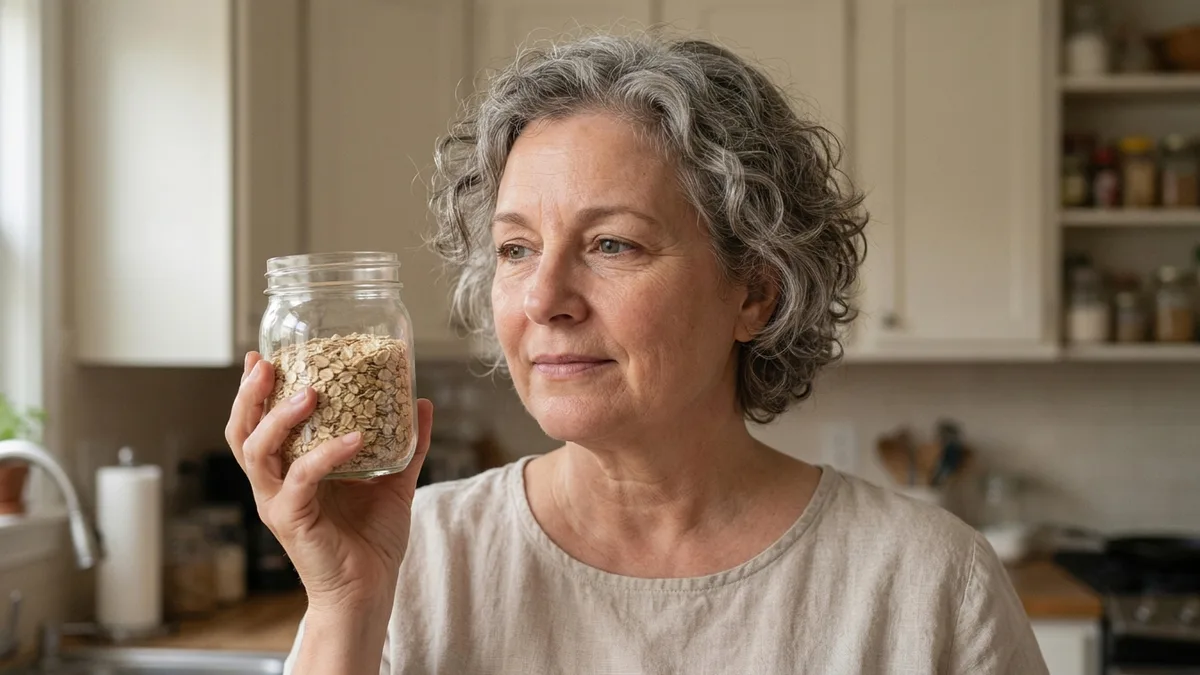
By the end of this list you will be able to open the cupboard at 6 p.m. and start cooking from a short set of defaults instead of a pile of unmade decisions. The test for every staple is the same: does it remove a weeknight decision, or add one?
A cluttered pantry usually holds too many ingredients and too few answers. The problem is not scarcity but the number of choices standing between you and a pan.
The fix is a shortlist with jobs, not a stockpile. At a midrange US supermarket, $95 to $125 buys 20 staples if you already own airtight containers: six 1-quart containers, two 2-quart jars, labels, and a cool, dark cupboard.
The week this list targets is five 20- to 30-minute dinners for two using eight of the 20 staples, with one batch of rice and one batch of lentils each covering two meals. By the end you will know which five to buy first, which fifteen wait for trip two, and which to skip because two weeks will not use them.
That is the whole idea: assign each staple a job, buy in two trips, and let healthy dinners default to 20 or 30 minutes for two.
Quick Tips Before You Start
Size the containers to the bag
The 1-quart containers are for the 1-lb bags; the 2-quart jars hold the 2-lb oats and rice. A 1-lb bag will not fit a quart.
Trip two waits two weeks
Shop trip two only after two weeks of cooking, so the fifteen you add are the ones you actually reached for.
Heat decides which staples fail first
Near the stove, the 6-month brown rice and 18-24 month olive oil go off soonest. Cool and dark buys the full window.
Count back from the date
Open-date the oats for 12 months, pasta 12, rice 6, oil 18-24. The date on the container is the replace-by, not the buy-by.
Two weeks is the test
Canned beans keep 2-3 years, so they pass. A specialty grain you open once and forget is the one that wastes the $95-$125.
1. Rolled oats for breakfast and dinner
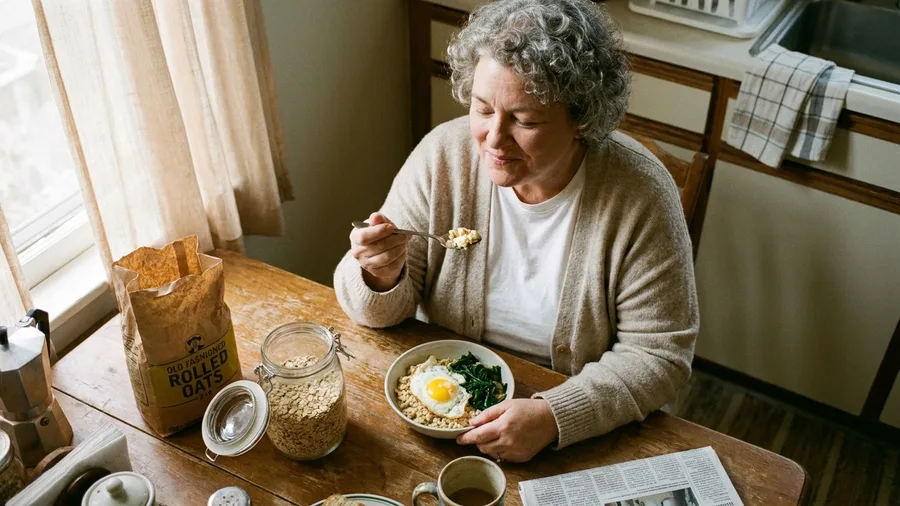
Rolled oats earn shelf space because the same 2 lb bag works two shifts: the 6 a.m. bowl and the 6 p.m. pot.
Expect to pay about $2.50 to $4 for that bag, and it holds for roughly 12 months in an airtight container, so the cost per meal drops to cents long before the bag empties. Buy plain oats rather than flavored packets, because the packets carry the sugar decision you are trying to remove.
Breakfast becomes a default in five minutes: oats, milk, fruit, microwave. No recipe, no measuring beyond a scoop, no standing at the open cupboard.
The same bag covers dinner. Simmer oats in broth instead of milk, stir in a handful of frozen spinach and crack an egg on top, and you have a savory base in the time the kettle takes to boil and then some.
That is the whole test this list runs on, and oats pass it plainly: one bag, two meal slots, one decision gone instead of one specialty ingredient added. The oats do not need a topping you bought for them, and they do not need a plan.
💡 Tip: Cook savory oats in broth, not water, and finish with a fried egg and black pepper.
💡 PRO TIP
Label the lid, not the jar
Write the contents and the date you opened it on a strip of masking tape on the lid, not the side of the jar. When you refill, the old label comes off with the tape and you never have to scrub.
2. Canned chickpeas for salads and hummus
Oats solve the grain-and-base slots but leave the filling question open, and that is where a can of chickpeas comes in.
Two 15-oz cans run about $2 to $3 total, and canned beans keep for two to three years, so two cans sit in the cupboard as a standing answer rather than a purchase you have to remember to make.
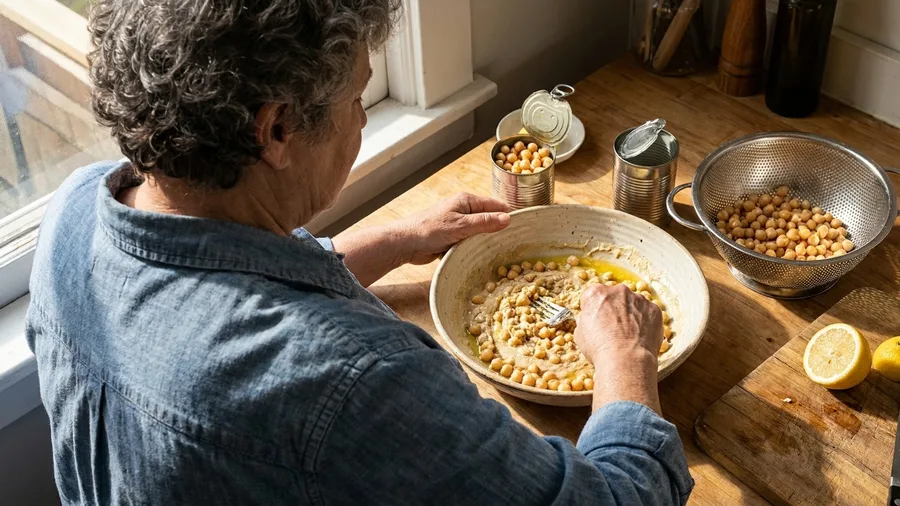
Drain and rinse them, then roast at 425 degrees Fahrenheit for 20 to 25 minutes, and the chickpeas come out crisp at the edges, firm enough to carry a tray dinner on their own.
Mash the same beans with tahini, lemon, and olive oil and you have hummus in five minutes, no food processor required beyond a fork and some patience. The liquid in the can is not waste either: it binds patties together or thins a sauce that has gone too thick.
One can moves between salad, hummus, and roasting pan, so it takes the meat-cooking decision off the table. That is the hidden cost most pantry advice skips: the ingredient that only does one job costs you a decision every time you reach past it.
💡 Tip: Save the chickpea liquid: 3 tablespoons replaces one egg in patties, or whisk it into a sauce.
| Staple | Why it stays | One fast meal | Storage note |
|---|---|---|---|
| Rolled oats | Covers breakfast and savory base | 5-minute microwave oats | 12 months airtight |
| Canned chickpeas | Moves between salad, hummus, roasting pan | Crispy roasted chickpeas | 2-3 years |
| Canned black beans | Fast protein base | Black bean and sweet potato bowl | 2-3 years |
| Canned diced tomatoes | Sauce and soup body | 15-minute tomato-lentil soup | 2-3 years |
| Tomato paste | Depth without long cook | Tuna and white bean skillet | 4 weeks after opening |
| Brown rice | Batch-cook anchor | 10-minute fried rice | 6 months airtight |
| Whole-wheat pasta | 15-minute dinner base | Pasta with tuna and lemon | 12 months airtight |
| Dried red lentils | Cheapest protein-rich staple | 20-minute dal | 12 months airtight |
| Quinoa | Works cold for lunch | Quinoa and chickpea salad | 12 months airtight |
| Canned tuna | No-cook protein | 5-minute tuna salad | 2-3 years |
| Natural peanut butter | Spread becomes sauce | 2-minute peanut noodles | 6 months after opening |
| Almonds | Snack and topping | Almond-topped oats | 6 months airtight |
| Extra-virgin olive oil | Makes food taste finished | 30-second salad dressing | 18-24 months |
| Red wine vinegar | Acid for freshness | Quick-pickled onions | 2-3 years |
| Low-sodium vegetable broth | Keeps grains from tasting flat | 15-minute lentil soup | 12 months unopened |
| Yellow onions | Aromatic base | Onion-start bean soup | Cool, dark, dry |
| Garlic | Fast flavor base | Garlic sautéed greens | 3 months cool dark |
| Sweet potatoes | Vegetable that is a meal | Microwaved sweet potato with peanut sauce | 2-3 weeks cool dark |
| Canned pumpkin | Sweetness and body | Pumpkin oats | 2-3 years |
| Tahini | Instant dressings and hummus | 2-minute tahini dressing | 6 months refrigerated after opening |
3. Canned black beans for bowls and tacos
Black beans do the same work as chickpeas with a different flavor and a softer texture that mashes flat, which makes them the can to reach for when the meal is a bowl or a taco rather than a tray.
Two 15-oz cans cost about $2 to $3, and rinsing them under the tap knocks down the surface sodium without changing how they cook.
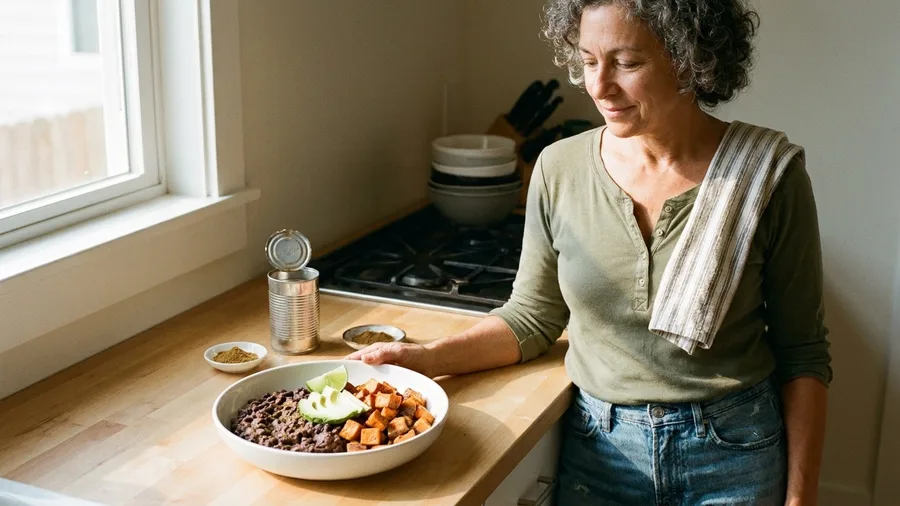
A black bean and sweet potato bowl comes together in about 25 minutes, which is the honest number: the sweet potato takes the longest, and the beans warm through while it finishes.
Mash the beans with cumin and you have 10-minute tacos, thick enough to hold in a tortilla without running.
Here is the part worth naming. A cheap, fast base is what makes a 20-minute dinner feel like dinner instead of a snack assembled in a hurry, and that feeling is what keeps you from ordering out on the nights you are tired.
The can answers the protein question before you have asked it, without planning, without thawing, without a pan of meat to watch.
4. Canned diced tomatoes for soups and sauces
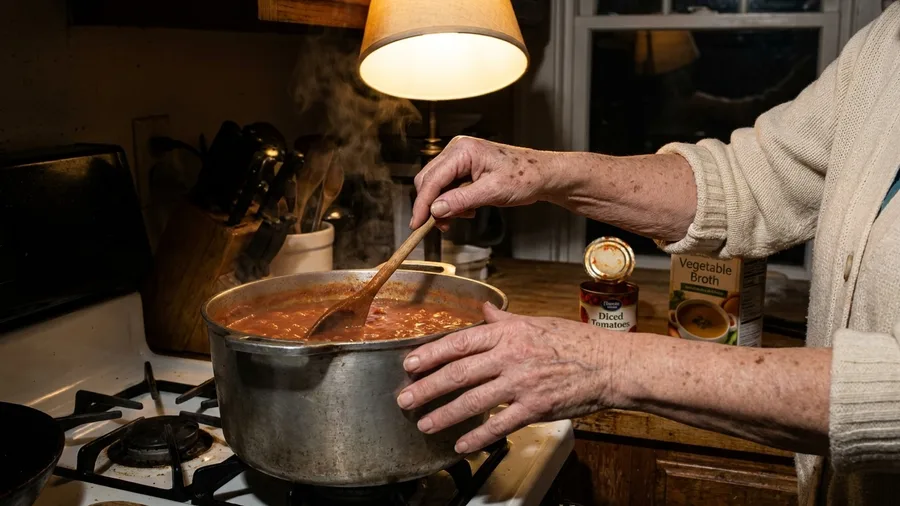
A can of black beans is a base, not a meal. It needs something wet and bright around it, which is why the diced tomato is the second can that makes the first one useful.
Two 14.5-ounce cans run about $2 to $3 at a midrange supermarket, and when the label offers a no-salt-added version, take it. You are adding the salt yourself at the stove anyway, and the unsalted can lets you taste the soup before it tastes like the tin.
The fastest use is a 15-minute tomato-lentil soup: a can of tomatoes, a carton of broth, half a cup of red lentils, simmered until the lentils go soft. Nothing needs chopping if you start with a diced onion from the freezer.
The second use is pasta sauce, and it wants the pan to taste slower than it cooked. Olive oil, sliced garlic, the tomatoes crushed by hand, and a spoon of tomato paste stirred in at the end to pull it together.
fresh tomatoes are a decision with a clock on it. You buy them for one meal, forget them for four days, and throw half away.
The can removes that decision entirely. It waits two years, costs less than the fresh version out of season, and the moment a sauce or soup needs body, it is already in the cupboard.
That is the shelf-space test: the can earns its place because it answers the fresh-produce question without a trip to the store, which is one decision the pantry makes for you on a Tuesday.
💡 Tip: Crush the tomatoes by hand as they go into the pot; the irregular pieces give a better texture than a blender.
5. Tomato paste for body and depth
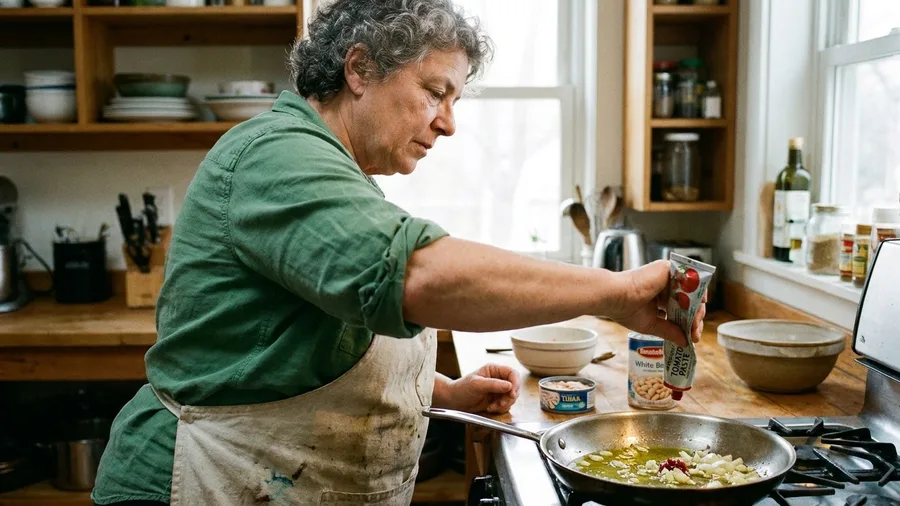
Diced tomatoes give a pot its liquid and its bulk, but they stay watery no matter how long you simmer them. Tomato paste is the same fruit with the water cooked out, so a single spoonful thickens the pot and tastes like it has been on the stove since noon.
A 4-ounce tube runs about $2 to $3 at most supermarkets and holds its strength for roughly four weeks once you break the seal. Buy the tube over the can when you can: you squeeze what you need and the rest keeps, instead of opening six ounces to use one tablespoon and watching the remainder grow a skin in the fridge.
If a can is all you have, spoon the leftover paste in tablespoon mounds onto a sheet of parchment, freeze them solid, and drop the frozen lumps into a zip bag. Each one is a measure you can throw straight into a hot pan without thawing.
Watch it in the pan for the first thirty seconds. Paste is dense enough to scorch before it thins, so stir it into the onions and garlic and let it darken just a shade, then add liquid and scrape the bottom.
Where the tube earns its slot is the ten-minute skillet dinner, the kind of night when a can of tuna and a can of white beans are all the protein in reach. Warm olive oil, garlic, and a spoonful of paste; add beans, tuna, and a splash of broth. The paste is what makes the pan taste slow-cooked.
That is the shelf-space test. A small squeeze gives a pantry meal the depth of a long simmer without the long simmer, so the tube removes the question of whether tonight's dinner will taste like anything.
The catch is that it does not carry a meal alone. On its own it is sharp and concentrated; it wants broth, oil, or tomatoes around it. The hidden cost of pantry depth is that the smallest jar on the shelf is also the one that depends most on the other nineteen staples, which is exactly why it sits alongside the liquid and the fats instead of standing on its own.
Brown Rice — At a Glance
💰 Cost
$3-$5 per 2 lb bag
📅 Shelf Life
6 months airtight
⏱️ Cook Time
40-45 minutes
🍚 Batch
3 cups cooked, fridge 4 days
🔥 Best Use
Fried rice, bowls, soups
Why It Works
A batch of rice on Sunday removes the grain decision for four nights.
6. Brown rice for bowls and fried rice
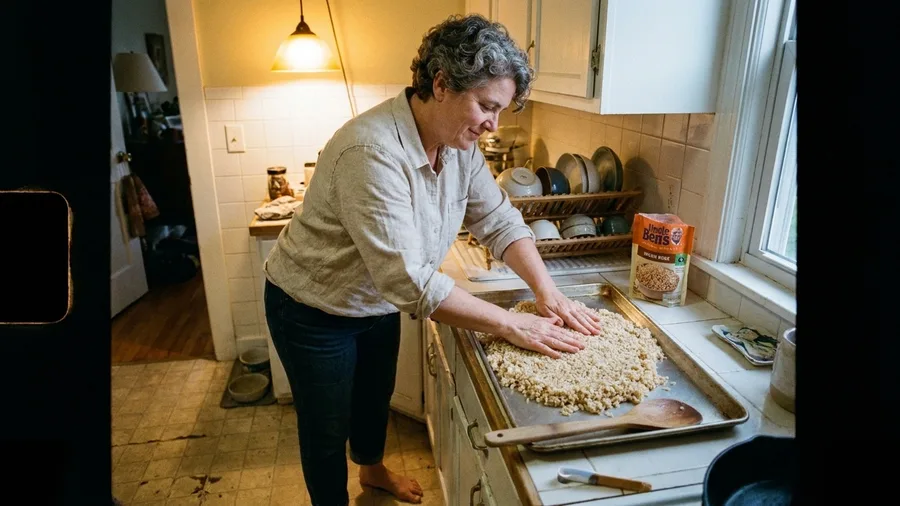
All that sauce needs somewhere to go. A grain that you cook once and use three ways is the most reliable answer, and brown rice is the one worth the counter space.
A 2-pound bag costs about $3 to $5, and it keeps roughly six months in an airtight container in a cool, dark cupboard, so it will not be the thing that spoils first.
The ratio is 1 cup of rice to 2 1/2 cups of water, and brown rice takes real time: 40 to 45 minutes at a simmer with the lid on. That is not a weeknight cook, which is exactly why the batch matters.
Cook 3 cups at once on a Sunday, spread it on a tray to cool quickly, and refrigerate it for up to four days. That one batch covers rice bowls, soup nights, and a fried rice later in the week.
Day-old rice, cold from the fridge, makes a 10-minute fried rice. Hot rice steams in the pan and goes gluey; cold rice fries into separate grains, which is the whole texture you want.
The honest cost here is the cooking time, not the price. Brown rice takes twice as long as white and has a chewier bite, and if that texture is not for you, the same batch method works with the grain you will actually eat.
That is the shelf-space test met. One batch removes the nightly grain decision and gives the sauces, beans, and vegetables earlier in the cupboard a base to land on, which is a dinner with no planning involved.
💡 Tip: Spread hot rice on a sheet pan to cool before refrigerating; it stops the rice from getting gummy.
7. Whole-wheat pasta for 15-minute dinners
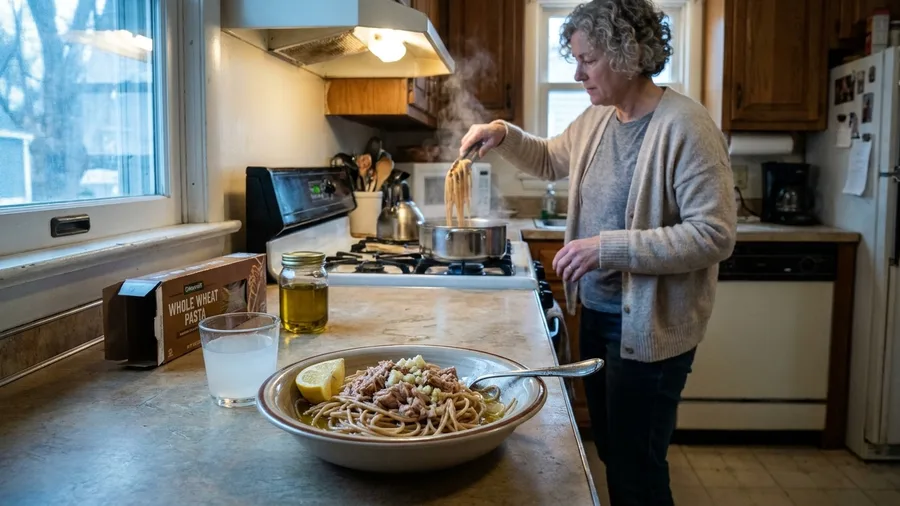
Some nights call for a bowl you can stir together; others call for a sauce that clings. A 1 lb box of whole-wheat pasta, about $1.50-$2.50, keeps 12 months in an airtight container and fills the faster slot.
Boil it in well-salted water for 10 to 12 minutes. That timing is the whole recipe window: the water comes to a boil, the pasta cooks, and a sauce builds in the same stretch.
While it boils, warm olive oil and minced garlic in a skillet, add a drained can of tuna and a squeeze of lemon, then pull the pasta straight into the pan.
Before you drain, dip out 1/2 cup of the cooking water. Starchy and cloudy, it loosens the sauce so it coats every strand instead of sitting in a puddle.
The fiber content runs higher than white pasta, and the structure holds up to a pantry sauce without turning soft. That is what earns the shelf space: a box that answers the what-for-dinner question the moment the cupboard looks empty.
8. Dried red lentils for soups and dal
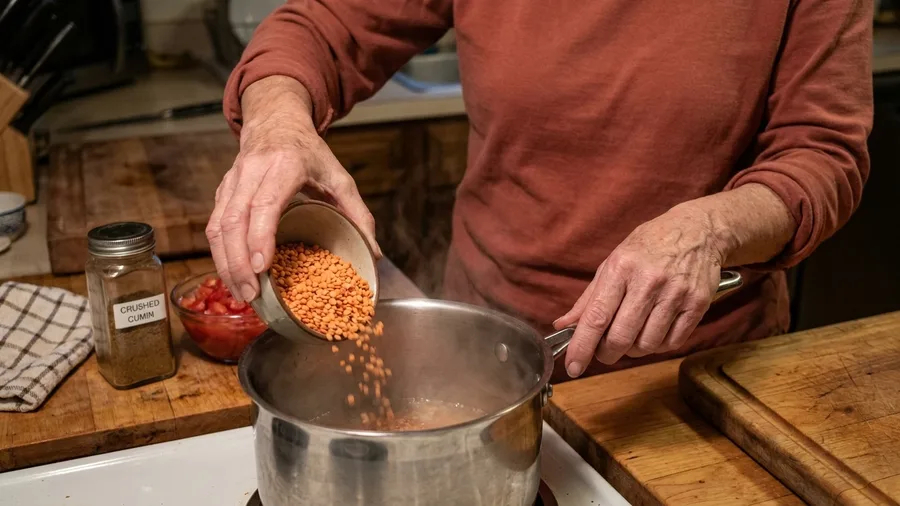
A sauce needs body, and the cheapest way to get it is a 1 lb bag of dried red lentils that costs about $2-$3. No soaking, no overnight plan, no pot to watch for an hour.
Simmer them 20 minutes with diced tomatoes and broth and they collapse into something thick enough to call a meal.
The same bag does two jobs. Cooked down with tomatoes, it thickens a pasta sauce or a pot of soup into something that holds a spoon. With a little more liquid and a pinch of cumin, it becomes dal.
That is the whole case for the shelf space: it is the least expensive protein-rich staple on the list, it skips the soak-ahead step that keeps dried beans on the shelf, and it turns a thin soup into dinner.
💡 Tip: Rinse lentils until the water runs clear; it removes surface starch and keeps the soup from foaming.
The Five Staples That Do the Most Work
9. Quinoa for cold salads and grain bowls
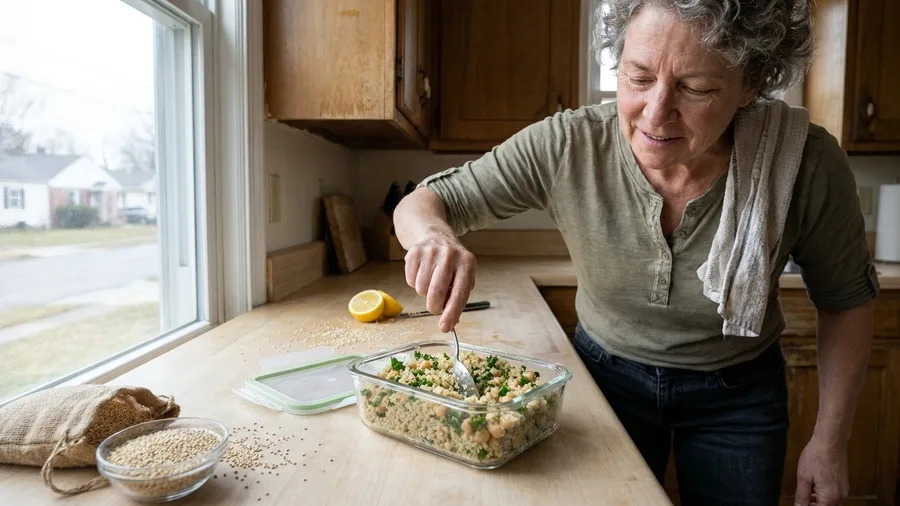
Lunch is the meal that falls apart first, because it needs something that tastes good cold and holds up in a container until noon. A 1 lb bag of quinoa, about $4-$6, is that grain.
Rinse it under cold water before cooking; the rinse takes the bitter coating off the outside of the seed. Simmer 1 cup quinoa in 2 cups water for 15 minutes, then let it sit covered off the heat.
Toss the cooled grain with chickpeas, olive oil, and vinegar and it holds in the fridge for days. Under roasted vegetables, still warm, it makes the same batch into a dinner base.
The shelf-space test is simple: a grain that cooks in 15 minutes and works both cold and warm removes the lunch decision and gives the vegetables a place to land.
10. Canned tuna for no-cook protein
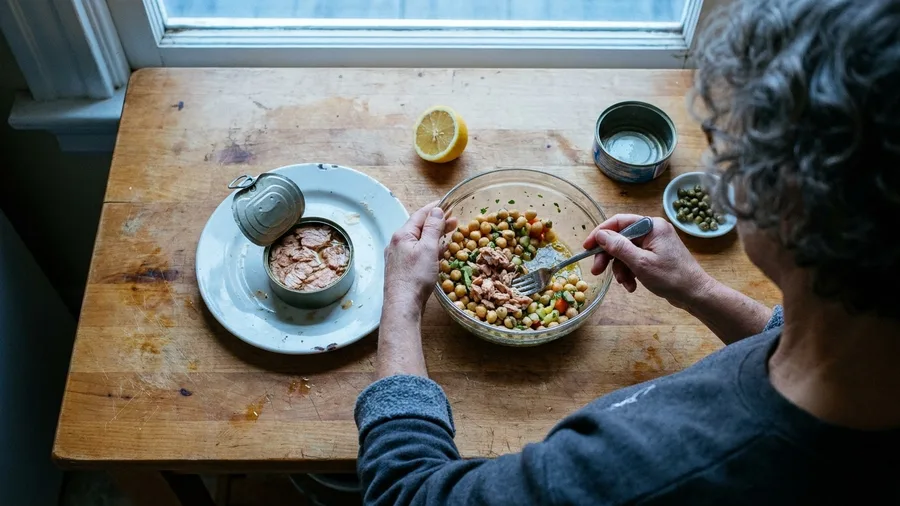
Quinoa salads and grain bowls are only half a meal until something sits on top of them. Canned tuna is the protein that asks nothing of you: no pan, no thawing, no plan made the night before.
Two 5-oz cans run about $3-$5, and the packing matters less than you might think. Water-packed is leaner and more neutral; olive-oil-packed is richer and needs less dressing. Either works, so buy whichever is on the shelf.
The five-minute salad is the one to learn first. Drain a can of chickpeas, rinse them, and fold in the tuna with olive oil, lemon, and a pinch of salt. It keeps in the fridge for a day, which means lunch is already answered.
It also upgrades the grains already in the cupboard. Flake tuna through whole-wheat pasta with garlic and a little pasta water, or fold it into a rice bowl with whatever vegetables are roasted.
That is the shelf-space math. One can of tuna turns pasta, rice, or salad into dinner without a separate protein plan, so it removes the cooking decision rather than adding a tin to keep track of.
💡 Tip: Drain tuna well and break it up with a fork before dressing; it absorbs lemon and oil better.
Pantry Staples: Worth the Shelf Space vs. Skip
Worth It
- Canned beans and tomatoes: 2-3 year shelf life, multiple meals
- Rolled oats: breakfast and savory base from one bag
- Whole-wheat pasta: 15-minute dinner base with fiber
- Tahini: hummus and dressing from one jar
- Red wine vinegar: acid for dressings and quick pickles
Skip
- Flavored oatmeal packets: sugar you did not choose
- Pumpkin pie filling: sugar and spice already added
- Pre-made salad dressings: a bottle for one job
- Specialty grains you won't use within two weeks of opening
- Bulk nuts that go stale before you finish the bag
11. Natural peanut butter for sauces and toast
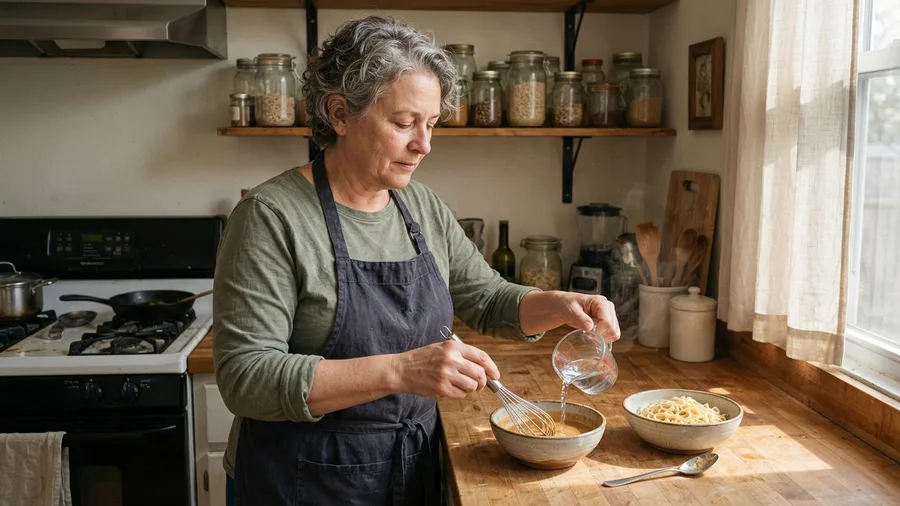
Tuna, grains, and noodles all want a sauce, and the jar that makes one in two minutes is the same jar you spread on toast at 7 a.m.
Natural peanut butter costs about $3-$5 for a 16-oz jar. Read the label: peanuts and salt, nothing else. The no-stir kinds with added oil and sugar taste fine on bread and turn gritty and sweet once you thin them into a sauce.
For the sauce, whisk a few spoonfuls with soy sauce, a splash of vinegar, and warm water until it pours. Warm water is the trick; cold makes it seize. Toss with noodles and it is done before the pasta water is drained.
It works in the other direction too. Stir a spoonful into a bowl of oats for staying power, or spread it on whole-grain crackers when lunch has to happen in five minutes.
The spread becomes a sauce, and that is the shelf-space argument. One jar covers toast, oats, and noodles, so it removes the separate dressing decision instead of adding a condiment to shop for.
12. Almonds for snacks and crunchy toppings
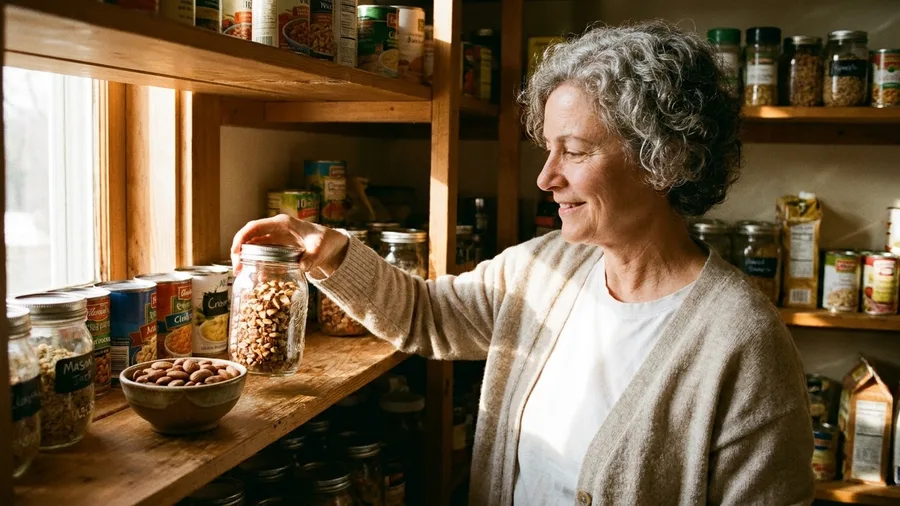
Peanut sauce and oats both want something to push back against, and a bag of almonds does it without a fresh garnish that wilts by Thursday.
A 12-oz bag costs about $5-$7 and holds for six months in an airtight jar. Buy raw or dry-roasted, unsalted, and toast them yourself in a dry pan for a few minutes if you want the flavor deeper.
Chop a handful over oats, over a quinoa or chickpea salad, or over roasted sweet potatoes. The crunch is what makes a pantry meal read as finished rather than assembled from what was left.
The same bag is the snack answer. Portion it into small bags on Sunday and the 3 p.m. question is already settled, which is the whole point of a snack that does not need refrigeration.
One bag covers the snack job and the topping job. That is why it earns shelf space: it removes the what-to-crunch decision and the need for fresh herbs at the same time.
💡 Tip: Toast almonds in a dry skillet for 3 minutes before chopping; it doubles the flavor.
13. Extra-virgin olive oil for cooking and dressing
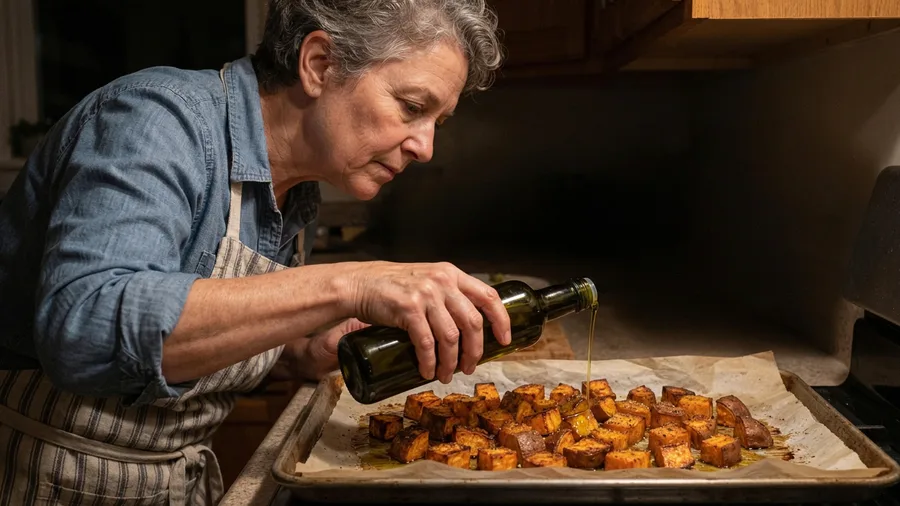
Roasted sweet potatoes and a scatter of chopped almonds both want the same thing to stop tasting dry, and that is a fat that can take heat and finish a plate.
A 25-oz bottle of extra-virgin olive oil runs about $8-$12 and keeps 18-24 months, which makes it the one fat on the shelf you can buy once and stop thinking about for a year and a half.
It does two jobs that usually need two bottles. At 425F it roasts a tray of cubed sweet potatoes or vegetables without smoking or turning bitter, and at room temperature it becomes salad dressing in the time it takes to find a fork.
Whisk it with vinegar – about three parts oil to one part acid – and you have a dressing in 30 seconds, no jar of bottled vinaigrette to open, no label to read.
⚠️ COMMON MISTAKE
Don't store oil above the stove
Heat and light turn olive oil rancid faster than anything else. Keep the bottle in a cool, dark cupboard away from the stove and dishwasher; if it smells like crayons, replace it.
14. Red wine vinegar for dressings and pickles
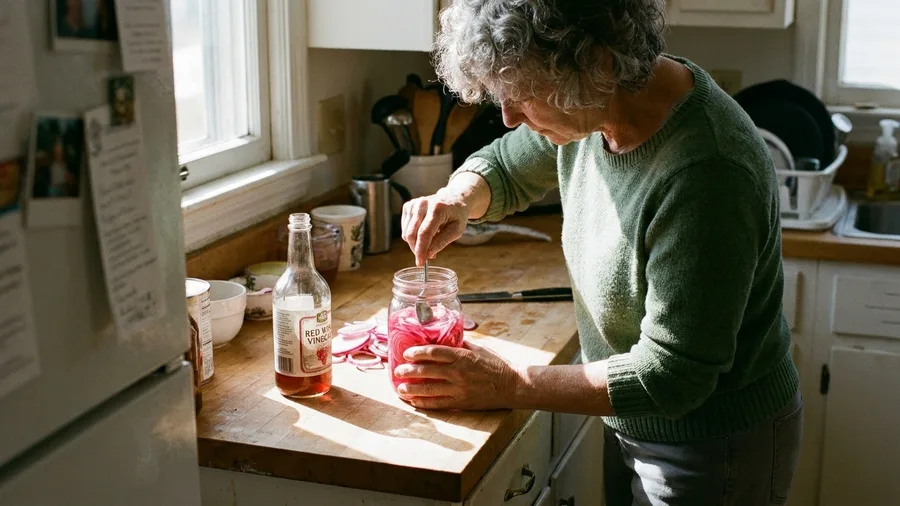
Oil on its own coats food; it does not wake it up. A splash of acid is what makes a bowl of lentils or a plate of roasted vegetables taste like someone seasoned it on purpose.
Red wine vinegar is the cheapest way to keep that acid on the shelf. A 16-oz bottle costs about $2-$4 and sits for months without a thought.
Mix one part vinegar with three parts olive oil and you have a dressing that takes less time than reading the back of a bottle. The same splash does more than dress: add it to lentil soup at the end of cooking, or over a bowl of chickpeas and beans, and the flatness lifts.
The 15-minute pickle is the trick worth knowing – slice an onion thin, cover it in vinegar with a pinch of salt and sugar, and it turns sharp and pink while the rest of dinner cooks.
The shelf-space test is the fresh-lemon problem. Recipes assume you have a lemon in the drawer; most weeknights you do not, and a bottle of vinegar removes that dependency entirely.
The acid is what makes a pantry meal taste fresh, so the bottle earns its space by removing the fresh-citrus decision rather than adding a second kind of shopping.
💡 Tip: Quick-pickle onions in a jar with vinegar and a pinch of salt; they keep a week in the fridge.
🛒 The Two-Trip Pantry Reset
Clear and wipe the shelf
Empty the cupboard, wipe it down, and check the dates on everything you own.
Buy five containers
Six 1-quart airtight containers and two 2-quart jars, plus labels.
Trip one: the five workhorses
Buy oats, chickpeas, brown rice, whole-wheat pasta, and tahini first.
Label and date each container
Write contents and opening date on tape on the lid.
Trip two: the other fifteen
Add the rest over the next week as you use up what you have.
Cook one default dinner
Make a meal from at least three of the new staples to test the system.
15. Low-sodium vegetable broth for soups and grains
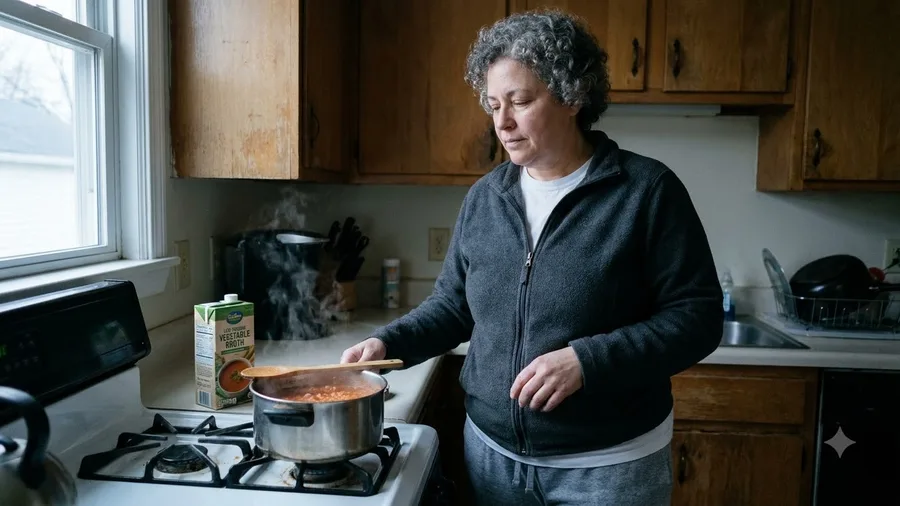
Rice cooked in water tastes like water. The same rice cooked in broth tastes like a meal, and that single swap is the difference between a grain base and a grain that carries dinner.
A 32-oz carton of low-sodium vegetable broth costs about $2-$4 and does more work than the price suggests. Cook rice or quinoa in it instead of water and the grain comes out savory enough to eat plain.
It is also the base for a 15-minute lentil soup – broth, red lentils, a can of diced tomatoes, diced onion and garlic – which is a full dinner for two with almost no chopping.
Keep a second carton in the cupboard for sick days or the nights when nothing is planned, because broth keeps and a bland grain does not fix itself.
The shelf-space test is the flat-grain decision: a liquid that makes grains taste cooked removes the question of whether the bowl needs something else, so the carton earns its place by finishing the meal rather than starting one.
16. Yellow onions for nearly every meal
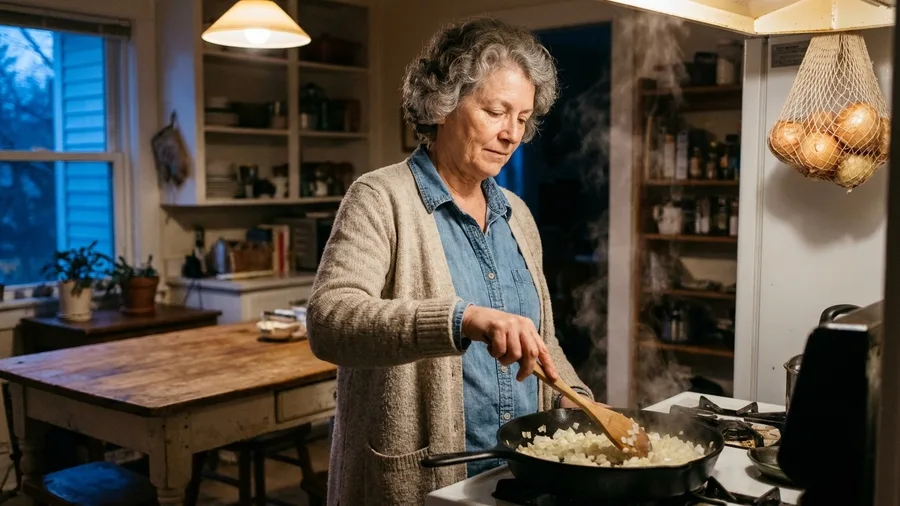
A soup built on broth and a pot of beans both need something savory at the bottom of the pan, and the cheapest fix is a bag of yellow onions. A 3 lb bag runs about $3-$5 at a midrange supermarket and holds for weeks, which is the whole reason it earns a spot on the shortlist.
Store them in a cool, dark, dry place with airflow — a mesh bag or open basket, not a sealed bin, where trapped moisture turns them soft and moldy from the inside. Check the bag every couple of weeks and pull any onion that has gone soft before it takes the rest with it.
chop too much and you are not stuck. Freeze the extra in 1-cup portions, flattened into bags you can snap apart, and a future soup or pasta sauce gets its base without the cutting board.
A diced onion hitting warm olive oil in the first two minutes is the difference between a pantry meal that tastes assembled and one that tastes cooked. The sweetness that comes out of that five-minute sweat is the flavor you cannot get from a jarred sauce or a shake of seasoning.
That is the flat-start decision gone, and it is the same onion every time: soups, beans, pasta sauce. Buy the bag, keep it dry, freeze what you do not use this week.
17. Garlic for fast flavor in skillets
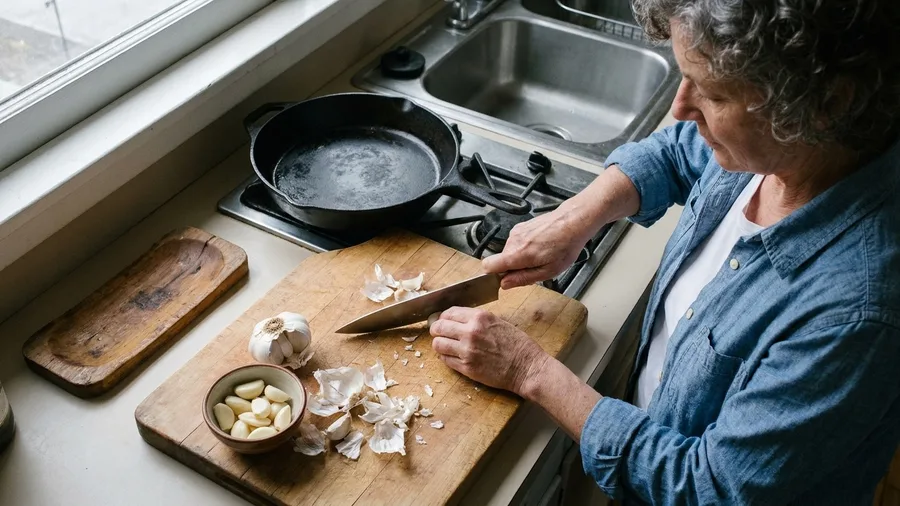
An onion softening in oil needs a partner within the minute, and garlic is the one that costs almost nothing and gives a skillet its direction. A 3-pack of heads runs about $2-$3 and stretches across weeks of cooking, which is why it sits next to the onions.
The move that matters: mince and saute for 30 seconds before anything wet goes in. Thirty seconds, not three minutes — garlic goes from sweet to acrid fast, and a burnt clove will flavor the whole pan with bitterness you cannot rinse out.
Peel a whole head at once and keep the cloves in the freezer for up to six months. You skip the sticky fingers and the papery mess on a weeknight, and a pinch of frozen mince drops straight into a hot pan.
It works in pasta, beans, broth, and dressings — the same few cloves, four different jobs. A few cloves make a pantry meal feel planned rather than thrown together, and that removes the bland-skillet decision.
Buy the 3-pack, peel it on a Sunday if that helps, freeze what you will not use. Thirty seconds of garlic is the cheapest flavor upgrade in the cupboard.
18. Sweet potatoes for bowls and snacks
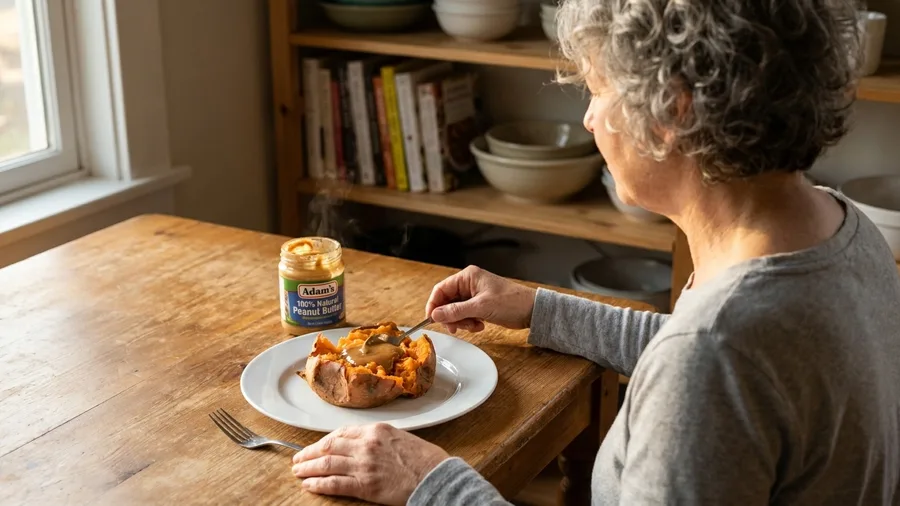
Garlic gives a skillet its start, but a clove has nothing to land on. A sweet potato is the sturdy vegetable that carries the flavor without any extra planning, and it can be the whole meal when the rest of the cupboard looks bare.
Three pounds of sweet potatoes run about $3 to $5 at a midrange supermarket. That bag keeps for weeks in a cool corner out of sunlight, so it waits without complaint while the cans and jars around it get used up.
A hot oven at 425°F and a baking sheet are the shortcut here. Cube the potatoes, coat them in olive oil, and let them roast 25 minutes, stirring once, until the edges darken and the centers give when pressed with a fork. Those cubes go straight into a black bean bowl with lime and cumin, or get tossed with the garlicky oil left in a skillet.
Then there is the eight-minute path that works when the oven feels like too much. Poke a whole potato a few times, microwave it 8 to 10 minutes on high, and it comes out soft enough to split and mash with salt and a little butter.
The mashed version takes black beans, a spoon of tahini, and a splash of vinegar and turns them into a bowl that tastes finished, not assembled. Each sweet potato removes one question at 6 p.m. – what vegetable is going with this – because it already counts as the vegetable and half the meal.
💡 Tip: Pierce the potato all over with a fork before microwaving; it vents steam and cooks evenly.
19. Canned pumpkin for oats and soups
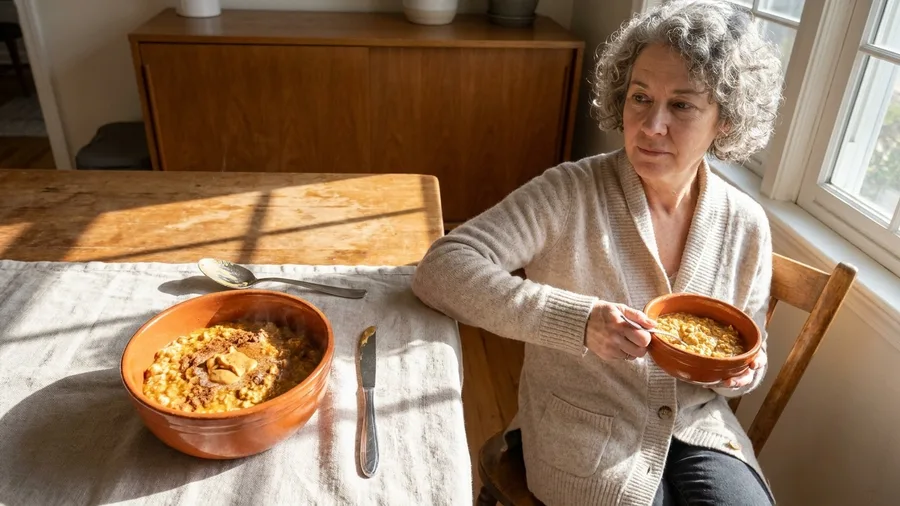
Sweetness in a savory pantry usually means sugar, and body usually means cream. A 15-oz can of pumpkin does both jobs for $2-$3.
The label is the whole caution. Buy 100% pumpkin, not pumpkin pie filling, which arrives prespiced and presweetened and will fight anything you add to it. Read the ingredient line: it should say pumpkin, and nothing else.
Breakfast is where it earns its place first. Stir two spoonfuls into a pot of oats along with cinnamon and a spoon of peanut butter, and the bowl turns thick and orange and faintly sweet without any sugar being added; the oats hold their texture and the peanut butter keeps it from tasting like dessert.
The same can thickens lentil soup. A half cup stirred in at the end gives body that would otherwise come from a long simmer or a splash of cream, and it brings a low sweetness that balances the tomatoes. Two dishes, opposite ends of the day, one can.
What is left over goes into quick muffins, which take the last third of the can and freeze well for breakfasts later in the week.
That is the shelf-space test in its cleanest form: a single can sweetens and thickens both a breakfast and a soup, so it removes two separate decisions — the sweetener and the thickener — with one purchase.
20. Tahini for hummus and quick sauces
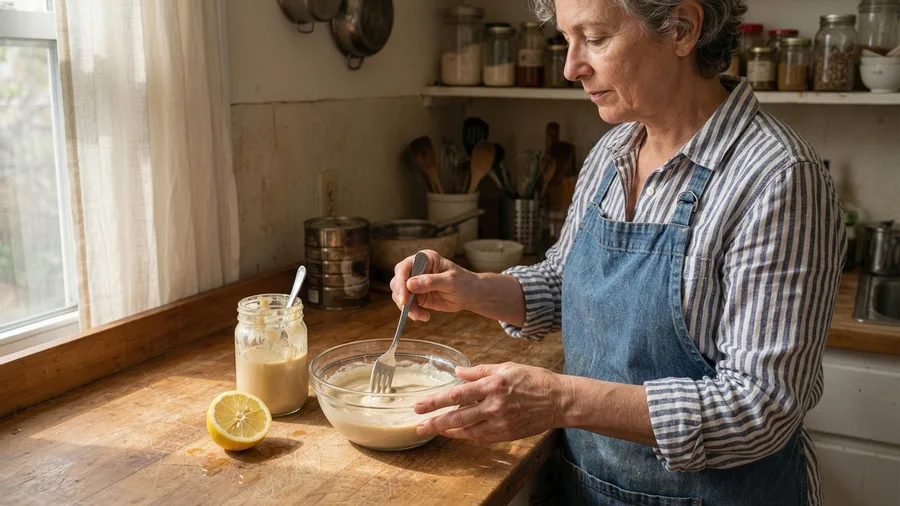
Hummus and a two-minute dressing sound like two grocery items. A 16-oz jar of tahini is both, and it costs about $6-$9.
The dressing is the faster of the two. Whisk tahini with lemon juice, grated garlic, a pinch of salt, and cold water; the mixture seizes into a stiff paste, then loosens into something pourable as you keep adding water a spoon at a time. Two minutes, and it coats greens, roasted vegetables, or a bowl of chickpeas and rice.
Hummus takes the same jar. Blend drained chickpeas with tahini, lemon, garlic, and a little cold water until smooth, and you have a dip for the week that costs less than the tub and has nothing in it you did not put there.
Two handling notes matter with tahini more than with most jars. Stir it thoroughly before every use — the oil separates and sits on top, and a scoop taken without stirring gives you either paste or oil. Then keep it in the fridge after opening.
The shelf-space test here is the one most prepared foods fail: the jar makes hummus and dressing, so it removes both the prepared-dip decision and the bottled-dressing decision, and it plugs straight into the chickpeas already on the shelf.
💡 Tip: Tahini thickens as it sits; add water a tablespoon at a time until it pours.
Frequently Asked Questions
Do I need all 20 staples to start?
No. Buy the five workhorses first: oats, chickpeas, brown rice, whole-wheat pasta, and tahini. Add the other fifteen over the next two grocery trips as you use up what you already have.
How long do these staples actually last?
Rolled oats keep 12 months in an airtight container, brown rice about 6 months, whole-wheat pasta 12 months, canned beans 2 to 3 years, and olive oil 18 to 24 months. Write the opening date on the lid so you know when to replace.
What if I don't have airtight containers?
They are worth buying: six 1-quart containers and two 2-quart jars cost about $20 to $30 and protect the staples you just spent $95 to $125 on. If you skip them, keep grains in their original sealed bags and use them within the shorter time on the label.
Can I make these meals for one person?
Yes. Cook the same recipes and refrigerate leftovers for 3 to 4 days. The batch of rice and the batch of lentils each cover two meals, which is the same system scaled down.
What should I skip if I'm cooking for two picky eaters?
Skip the tahini and canned pumpkin if they won't eat them; the other eighteen staples still make complete meals. The point of the reset is fewer decisions, not a full shelf.
Two Trips, Five Staples, and a Default Dinner
The verdict is plain: $95 to $125 stocks the shelf, and that shelf produces five 20- to 30-minute dinners for two from eight of the 20 staples, with one batch of rice and one batch of lentils each covering two meals. That is what you are buying, not a prettier cupboard.
The 6 p.m. cupboard stops being clutter and becomes a set of defaults. For more of those defaults beyond the pantry shelf, this guide to eating well without recipes carries the same no-decision idea into the rest of the week. Pantry value is meals made automatic, not shelf fullness.
Trip one buys the five staples that cover the most meals: rolled oats, chickpeas, black beans, diced tomatoes, and brown rice. Trip two adds the other fifteen. Skip any staple you will not use within two weeks, and treat the list as a default, not a rule.
Clear one shelf before your next shop
Empty the cupboard, check the dates, and write your five workhorses on a list. Buy those first; the other fifteen can wait.